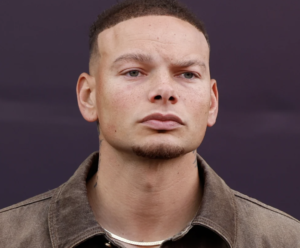
You might have heard the shocking news that recently sent ripples through the country music and sports entertainment worlds alike. The kane brown accident Gets 23 Stiches After hit with Golf Ball has become one of the most talked-about events of the summer. On what was supposed to be a relaxing Tuesday afternoon in Nashville, Tennessee, the multi-platinum country superstar found himself in a terrifying, bloody, and entirely unexpected medical emergency. We are going to dive deep into every single aspect of this wild story. From the physics of the golf ball strike to the medical realities of his gruesome injuries, the star-studded fallout at Travis Kelce’s Tight End University, and even the broader legal philosophies surrounding celebrity mishaps. Buckle up, because this is the most comprehensive breakdown of Kane Brown’s unbelievable golf course nightmare you will ever read.
The Incident: How a Relaxing Day Turned Into a Medical Emergency
The 3-Wood Slice Heard Around Nashville
It was June 23, 2026. Kane Brown was enjoying a well-deserved break from his rigorous touring schedule. If you know anything about the country music community in Nashville, you know that the golf course is basically their second office. It is where deals are made, collaborations are dreamt up, and friends simply blow off steam. Kane was out playing a round with a close buddy. They had both already hit their drives off the tee. Kane’s ball landed in the rough, while his friend’s ball sat squarely in the fairway.
As Kane was standing in the rough, his friend lined up for his next shot using a 3-wood. For those unfamiliar with golf terminology, a 3-wood is a club designed to hit the ball incredibly far, usually entirely off the ground or from a very clean lie. Unfortunately, golf is a game of millimeters. Kane’s friend swung the club, but instead of striking the ball cleanly, he hit a massive slice. The ball aggressively veered off its intended path, hurtling directly toward Kane. Kane later stated on his TikTok that he only had a split second to react. He barely managed to turn his head before the ball slammed violently into his right ear. It was a moment of sheer terror that completely shattered the peaceful atmosphere of the golf course.
The Anatomy of a High-Speed Projectile Strike
To truly understand the severity of this accident, we have to look at the physics involved. Kane Brown estimated that the golf ball was traveling at a blistering 150 to 180 miles per hour when it hit him. Think about that for a second. A standard golf ball weighs about 1.62 ounces and is essentially a rock-hard core wrapped in a highly durable synthetic cover. When an object with that kind of mass travels at 180 mph, it carries an immense amount of kinetic energy.
Getting hit by a projectile moving at that speed is no different than being struck by a weapon. The human skull is highly resilient, but the ear is entirely composed of soft cartilage and highly vascular skin. When the golf ball made impact, the blunt force trauma was instantaneous. The sheer energy of the ball ripped through the skin, causing a massive laceration that literally split his ear open. The localized trauma caused rapid swelling, forcing blood to pour down the side of his head and neck. It was a horrifying sight that immediately escalated the situation from a leisurely game to a frantic medical emergency.
A Matter of Inches: The Near-Death Realization
When the adrenaline wears off, the psychological impact of a near-miss sets in. Kane Brown was incredibly lucky, and he knows it. In his follow-up videos, he confessed that the doctors told him just how close he came to a catastrophic, potentially fatal outcome. If that 180 mph golf ball had struck him just an inch or two higher on the temple, or slightly forward on the eye socket, the blunt force trauma could have caused a massive skull fracture or a lethal brain hemorrhage.
The temple is the thinnest part of the human skull, covering the middle meningeal artery. A strike there at those speeds is a known cause of epidural hematomas, which can be fatal within hours if untreated. The fact that he managed to flinch just enough so the ball caught his ear instead of a vital cranial structure is nothing short of miraculous. Kane stated plainly, “I’m just glad I’m here.” That realization fundamentally shifts how someone views an accident. It turns a frustrating inconvenience into a moment of profound gratitude for simply being alive.
The Medical Aftermath: Treating the Trauma
The Gruesome Reality of 23 Stitches
Once Kane was rushed off the golf course and straight into the emergency room, the medical team had a massive job on their hands. Closing a split ear is not as simple as putting a bandage on a scraped knee. The doctors determined he needed exactly 23 stitches to reconstruct the torn cartilage and skin.
Stitching an ear is an incredibly delicate and painful procedure. The ear’s unique shape means that surgeons have to be highly meticulous to avoid long-term disfigurement, a condition commonly known as “cauliflower ear” in combat sports. The medical staff had to thoroughly clean the wound to prevent infection from the dirt and grass that might have been on the golf ball. They then carefully aligned the jagged edges of the split skin, using precise, tiny sutures to pull the tissue back together. Having 23 stitches packed into an area as small as a human earlobe and outer helix indicates just how violently the skin was torn apart.
Navigating the Concussion Protocol
The physical laceration was only half the battle. Due to the massive kinetic force of the golf ball, Kane was officially diagnosed with a “slight concussion.” A concussion is a type of traumatic brain injury caused by a bump, blow, or jolt to the head that forces the brain to bounce or twist inside the skull. Even though the ball hit his ear, the shockwave of the 180 mph impact rattled his brain.
Symptoms of a minor concussion can include headaches, dizziness, confusion, ringing in the ears, and sensitivity to light. For a touring musician whose entire life involves bright stage lights, massive crowds, and deafeningly loud speakers, a concussion is a career-halting diagnosis. The medical team grounded him immediately. They explicitly ordered him to rest in a dark, quiet environment to allow his brain to heal, strictly forbidding him from getting on a stage or exposing himself to sensory overload.
The 48-Hour Critical Observation Window
When you suffer head trauma, the danger does not pass the moment you leave the hospital. The doctors issued a stark warning to Kane: his symptoms would likely get much worse over the next 48 hours. This is a standard medical reality for traumatic brain injuries. As the brain responds to the trauma, localized swelling occurs.
Because the skull is a closed rigid box, any swelling increases intracranial pressure. This means that the day after the injury is usually far more painful and disorienting than the day of the injury. Kane had to be closely monitored by his wife, Katelyn, and his team to ensure he didn’t exhibit signs of a worsening condition, such as repeated vomiting, slurred speech, or loss of coordination. The 48-hour window is a nerve-wracking period where a patient just has to sit, wait, and hope their brain stabilizes.
Social Media and the Modern Celebrity Crisis
Instagram Updates from the Emergency Room
In decades past, a celebrity injury would be shrouded in mystery. Fans would only find out days later through a heavily sanitized press release from a publicist. Today, the landscape has entirely changed. Kane Brown bypassed the media middlemen completely and took his story straight to his millions of followers on Instagram.
He posted a shockingly graphic, bloodied photo of his split ear directly to his Instagram Stories. The image was visceral and undeniable. He captioned it simply: “Shot to the head by a golf ball.” By sharing the raw, unfiltered reality of the moment, Kane tapped into a deep well of authenticity that modern audiences crave. He didn’t try to hide the gross details. He let his fans into his life during a moment of intense vulnerability, which only strengthens the parasocial bond between the artist and the audience.
The Infamous Post-Hospital Chick-fil-A Run
Perhaps the most relatable moment of the entire ordeal happened shortly after he was discharged from the hospital. Still reeling from head trauma, rocking 23 fresh stitches, and suffering a concussion, Kane posted a short video updating his fans. Where was he? Sitting in the drive-thru lane at Chick-fil-A.
He casually looked into the camera and said, “Well, 23 stitches later, and a slight concussion… now we’re at Chick-fil-A.” It was a hilarious and deeply human moment. It broke the tension of the terrifying news. Anyone who has ever endured a brutally long, stressful trip to the emergency room knows that specific craving for comfort food afterward. Kane’s decision to show himself doing something so incredibly normal after such an abnormal, terrifying event was a breath of fresh air.
Masterclass in PR: Controlling the Narrative with Humor
This entire social media rollout was a masterclass in modern public relations. Crisis communication can be tricky, especially when an artist has to abruptly cancel a highly anticipated performance. But by using self-deprecating humor and extreme transparency, Kane completely controlled the narrative.
He followed up his bloody photo with another angle of the gruesome injury, captioning it, “Just a scratch,” channeling the classic Monty Python Black Knight joke. He made sure to explicitly state that the buddy who hit him felt terrible, protecting his friend from internet backlash. He laughed off the pain while firmly establishing the severity of the injury. By doing this, no one could accuse him of backing out of his concert obligations lightly. The fans saw the blood. They saw the stitches. They completely understood why he couldn’t perform, and instead of being angry about a canceled show, they flooded him with empathy and well wishes.
The Tight End University Concert Fallout
What Exactly is Tight End University?
The timing of this golf ball accident was incredibly unfortunate because Kane Brown was scheduled to be the headlining musical act at one of Nashville’s most exclusive and exciting events: Tight End University. Founded in 2021 by superstar NFL tight ends Travis Kelce, George Kittle, and Greg Olsen, Tight End University (TEU) is a three-day summit designed to bring together the best tight ends in professional football.
It is a unique blend of a sports camp, a networking event, and a massive charity fundraiser. The players spend their days breaking down game film, sharing blocking techniques, and running routes. But when the sun goes down, the event transforms into an elite Nashville party. The summit culminates in a massive, public-facing concert dubbed “Tight Ends & Friends.” It is a celebration of the intersection between professional football and country music, drawing thousands of fans and raising significant funds for various charities chosen by the athletes.
Missing the Big Stage at Tight Ends & Friends
Kane Brown was the highly anticipated closer for the Tight Ends & Friends concert. The crossover appeal was perfect. Kane is a massive sports fan, and he actually partied with Travis Kelce and Patrick Mahomes at Mahomes’ 30th birthday bash the previous year. The energy in Nashville was electric, and fans were eagerly waiting to see Kane perform hits like “Miles On It” and “I Can Feel It.”
When the news broke that Kane was hospitalized and completely sidelined by his concussion, a massive void opened up on the event’s itinerary. The organizers had to scramble. A headlining spot at a massive charity concert sponsored by Sports Illustrated and Reese’s is not easily filled at the last minute. The disappointment was palpable, but the severity of Kane’s condition left absolutely no room for debate. He had to sit this one out.
Taylor Swift and Lainey Wilson Save the Night
However, the show must go on, and Nashville is a town that knows how to pull off a miracle. With Kane out, the remaining artists stepped up to the plate in a massive way. Country superstar Lainey Wilson was already on the bill, but she delivered a shock to the system that nobody saw coming.
In a moment that instantly broke the internet, Lainey Wilson brought out none other than global pop icon Taylor Swift. Swift, who is famously engaged to TEU co-founder Travis Kelce, was in attendance to support her partner. She surprised the massive crowd by joining Lainey Wilson on stage for a spectacular duet of her classic hit “Love Story.” The crowd absolutely lost their minds. Dan + Shay and Chase Rice also delivered powerhouse performances to keep the energy high. While Kane Brown’s absence was deeply felt, the impromptu superstar collaboration ensured that Tight End University ended on an unbelievably high note.
Reactions from the World of Sports and Music
The Macho Banter of NFL Stars
The culture of professional football is deeply rooted in toughness, playing through pain, and ruthless locker-room banter. When the NFL stars at Tight End University found out why Kane Brown was canceling, the reactions were a hilarious mix of genuine concern and classic sports-world trash talk.
Football players endure massive car-crash-level impacts on every single play. To them, getting hit by a tiny white ball seems almost comical, even though the physics prove it is highly dangerous. This clash of cultures—the brutal gladiator world of the NFL versus the sudden fragility of a golf accident—provided a lot of entertainment for the attendees at the summit.
Bussin’ With The Boys and the “Craig Kane Brown” Joke
The news of Kane’s injury was officially broken to the live crowd at TEU by former NFL players Taylor Lewan and Will Compton, who host the wildly popular Barstool Sports podcast Bussin’ With The Boys. They took the stage and addressed the crowd with their trademark irreverent humor.
Compton grabbed the microphone and announced the cancellation, joking, “He says concussion, the football guys probably don’t buy it.” The crowd erupted in laughter. Compton then doubled down, removing his hat and deadpanning, “We’re gonna do a moment of silence for Craig Kane Brown.” It was the perfect way to diffuse the disappointment of the cancellation. They roasted him lovingly, acknowledging the injury while filtering it through the hyper-masculine, humorous lens of a football locker room. Kane, who has a great sense of humor, likely appreciated the roast from his friends in the sports world.
The Outpouring of Support from the Country Music Family
While the football guys were cracking jokes, the country music community rallied around one of their own. Country music is famous for being a tight-knit family. Fellow artists, songwriters, and producers immediately flooded Kane’s social media with messages of support. They know how brutal touring is, and they understand how devastating it is to be forced off the stage by a freak medical emergency.
Fans on Reddit and Twitter shared stories of their own golf injuries, validating Kane’s trauma. The overwhelming sentiment was one of relief. Everyone recognized that while 23 stitches and a concussion are painful, it could have been a tragic loss for the genre. The country community wrapped its arms around him, encouraging him to take all the time he needed to heal before picking up a microphone again.
The Unspoken Dangers of the Golf Course
Understanding the Velocity of Danger
We often view golf as the ultimate leisure sport. It is played in beautiful, manicured parks. The dress code involves polo shirts and slacks. There is no tackling, no checking against the boards, and no physical combat. Because of this serene facade, we completely ignore the inherent, massive danger of the sport.
The kane brown accident Gets 23 Stiches After hit with Golf Ball serves as a violent wake-up call to the reality of the game. A golf ball is a dangerous projectile. When elite or even amateur players swing a titanium clubhead at over 100 miles per hour, they are launching a weapon into the sky. If you are standing in front of the tee box, or parallel in the rough, you are actively standing in a firing line. The velocity of danger on a golf course is heavily underestimated by casual players.
Common Course Injuries and Why We Yell “Fore!”
Kane Brown’s traumatic injury is actually far more common than people think. Emergency rooms in highly populated golfing areas see hundreds of blunt force trauma cases every single year. These injuries range from broken orbital bones and shattered teeth to severe concussions and even fatal brain hemorrhages.
This is exactly why the etiquette of shouting “Fore!” exists. It is not just a polite tradition; it is a critical safety mechanism. Shouting “Fore!” is the universal warning that a projectile is incoming and that anyone in the vicinity needs to immediately cover their head and duck. In Kane’s case, because he was standing right beside his buddy, the ball traveled the short distance entirely too fast for a warning shout to be effective. By the time the word leaves the golfer’s mouth, a 180 mph ball has already hit its target.
The Psychology of Accidental Harm Among Friends
One of the most psychologically difficult aspects of this type of accident is the guilt experienced by the person who caused it. Kane explicitly stated in his TikTok video, “It was my own buddy. I ain’t going to name any names. He feels terrible, but he needs to know that I’m good.”
Accidentally causing severe physical trauma to a close friend is a heavy emotional burden. The friend didn’t mean to hit a massive 3-wood slice. He was just trying to play the game. But the result was a bloody, hospitalizing injury. Kane’s decision to publicly absolve his friend of guilt shows immense emotional maturity. It highlights the psychology of accidental harm—how we navigate forgiveness and maintain friendships when a simple mistake leads to severe physical consequences.
Legal Philosophy: Negligence, Liability, and Celebrity Mishaps
The Doctrine of Assumption of Risk in Sports
When a celebrity is severely injured, the public’s immediate thought often jumps to lawsuits. Will Kane Brown sue his friend? Will he sue the golf course? To understand why this won’t happen, we have to look deeply into the legal philosophy of tort law, specifically the doctrine of assumption of risk (often tied to the Latin legal maxim volenti non fit injuria—to a willing person, injury is not done).
When you step onto a golf course, you legally assume the inherent risks associated with the game. Getting hit by an errant golf ball is a known, foreseeable risk of playing golf. Unless the friend maliciously aimed the ball at Kane’s head on purpose, or acted with gross, reckless negligence (like hitting into a crowd while heavily intoxicated), standard legal frameworks protect the golfer who hit the bad shot. The law recognizes that sports involve accidents. You accept that reality the moment you put your tee in the ground.
Accidental Torts vs. Intentional Misconduct
The concept of tort law revolves around civil wrongs that cause a claimant to suffer loss or harm. Kane Brown’s situation is a perfect example of an accidental tort—specifically, simple negligence. His friend failed to hit the ball straight, breaching a basic expectation of the game, resulting in harm. But because of the assumption of risk, no liability is assigned.
This is fundamentally different from intentional misconduct or gross negligence. The legal system treats accidental harm among peers with leniency, focusing on insurance and mutual forgiveness rather than punitive damages. But what happens when public figures step far over the line from accidental negligence into intentional harm and reckless destruction? To truly understand the legal landscape of celebrity liability, we must contrast Kane’s innocent accident with the dark spectrum of public figure legal turmoil.
The Broad Spectrum of Public Figures in Legal Turmoil
Harvey Weinstein and the Destruction of the Social Contract
If Kane Brown’s accident represents the innocent, accidental end of the celebrity liability spectrum, Harvey Weinstein represents the absolute darkest, most malicious extreme. Unlike a golf ball slicing off a clubface by mistake, Weinstein’s actions were deliberate, predatory, and carried out over decades.
In the legal philosophy of torts and criminal law, Weinstein’s behavior involved intentional torts—assault, battery, and intentional infliction of emotional distress—layered heavily with severe criminal felonies. There was absolutely zero “assumption of risk” for the victims who walked into his office for a business meeting. Weinstein utilized his massive power and media presence not to entertain, but to actively destroy the social contract. The legal system responded not with leniency, but with massive, historical punitive damages and a decades-long prison sentence. It proves that when a public figure acts with malice, the law strikes back with overwhelming force to protect society.
Rudy Giuliani and the Reckless Disregard for Truth
Sitting somewhere between physical criminal violence and simple negligence is the realm of catastrophic reputational harm. Take the legal downfall of Rudy Giuliani, for example. Giuliani wasn’t swinging a golf club, but he was swinging the massive weight of his media platform. By spreading baseless conspiracy theories and defaming innocent election workers in Georgia, Giuliani engaged in the tort of defamation.
Giuliani’s actions were deemed a “reckless disregard for the truth.” He didn’t accidentally slice a golf ball; he deliberately aimed a megaphone of lies at private citizens, resulting in massive emotional and financial harm to them. The legal system hit him with an astronomical $148 million civil judgment. This case highlights how the law views the weaponization of celebrity influence. When you intentionally or recklessly destroy someone’s life using your platform, you cannot claim it was just a “bad swing.”
Why Kane Brown’s Accident is the Purest Form of Negligence
By analyzing the horrific intentional acts of Weinstein and the reckless defamation of Giuliani, we gain a much deeper appreciation for the innocence of Kane Brown’s situation. Kane’s accident is the purest form of sports negligence. There was no malice. There was no abuse of power. There was no reckless disregard for human life.
It was just two friends playing a game, and physics took a bad turn. The contrasting of these cases illuminates how our legal and social systems judge public figures. We forgive the accidental, we financially ruin the reckless, and we imprison the malicious. Kane Brown’s buddy won’t face a courtroom because society recognizes the fundamental difference between an honest mistake and a malicious act.
Community Impact and Moving Forward
The Ripple Effect on the Summer Touring Schedule
The immediate consequence of the kane brown accident Gets 23 Stiches After hit with Golf Ball was the cancellation at Tight End University. But for a global touring artist, a concussion can have a massive ripple effect on their entire schedule. Kane was booked to headline the massive Hoofbeat Country Fest in Wisconsin just two days later on a Thursday.
Concussions do not care about ticket sales. If a doctor says a patient cannot fly, or cannot be exposed to 110-decibel concert monitors, the tour must halt. However, Kane Brown is known for his relentless work ethic. While the 48-hour window was critical, he assured his fans that he was doing everything in his power to rest, hydrate, and heal so he could make his commitment to the Wisconsin crowd. Managing the logistics of moving crew, semi-trucks, and band members while the lead singer is nursing 23 stitches requires an incredible team effort from his management.
Resilience and Dedication to the Fans
Ultimately, this bizarre and bloody incident highlights Kane Brown’s incredible resilience. He took a 180 mph projectile to the head, got stitched back together, laughed about it at a fast-food drive-thru, and immediately started focusing on how quickly he could get back to his fans.
The country music community respects grit above almost anything else. Kane didn’t hide away. He shared his pain, he shared his humor, and he showed up for his audience in the only way he safely could—through transparent communication. As he heals from his split ear and minor concussion, the story of the golf ball strike will undoubtedly become a legendary piece of Kane Brown lore. It might even end up as a lyric in a future song. But for now, he is taking it one day at a time, proving that it takes a lot more than a rogue 3-wood to keep a country star down.
Frequently Asked Questions (FAQ)
What exactly happened to Kane Brown? Kane Brown was struck in the side of the head by a golf ball while playing a round with a friend in Nashville. The ball was hit from a 3-wood and was estimated to be traveling between 150 and 180 mph. It struck his right ear, resulting in a severe laceration.
How many stitches did Kane Brown get? He received exactly 23 stitches to repair the massive split in his ear cartilage and skin.
Did Kane Brown suffer brain damage? He was diagnosed with a minor concussion due to the blunt force trauma. However, doctors confirmed there were no skull fractures or internal bleeding. He was required to rest and monitor his symptoms for 48 hours.
Who hit the golf ball that struck Kane Brown? Kane explicitly refused to name the friend who hit the ball. He stated it was a complete accident, that his buddy felt terrible about it, and he wanted to protect his friend’s identity to prevent any online harassment.
What concert did Kane Brown miss because of the accident? He was forced to cancel his headlining performance at the Tight Ends & Friends concert, which is the closing event for the Tight End University summit founded by Travis Kelce, George Kittle, and Greg Olsen.
Who replaced Kane Brown at the Tight End University concert? While not a direct replacement, country star Lainey Wilson thrilled the crowd by bringing out global pop superstar Taylor Swift for a surprise duet of “Love Story,” ensuring the event remained a massive success despite Kane’s unfortunate absence.