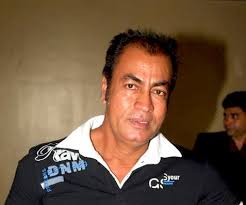
 Pradeep Rawat Death, Obituary-The world of Indian cinema is draped in a heavy, inescapable cloak of sorrow today. When you look back at the cinematic landscape of the last four decades, very few actors commanded the screen quite like Pradeep Rawat. Whether he was instilling pure, unadulterated fear as the ruthless antagonist in blockbusters or evoking deep patriotic empathy as a valiant sepoy, his sheer physical presence and booming baritone were unmatched. Tragically, the search query “Pradeep Rawat Death, Obituary: Veteran Ghajini and Lagaan Actor Dies at 74 After Cancer Battle” has become a stark reality.
On August 4, 2026, the devastating news broke that the 74-year-old veteran actor had breathed his last. He didn’t just act in movies; he shaped the very definition of the modern Indian screen villain. But beyond the terrifying on-screen personas lay a man of immense grace, a relentless fighter who bravely battled blood cancer behind closed doors. This exhaustive obituary and tribute will walk you through every facet of his monumental life. We will explore his greatest roles, dive deep into the legal and moral philosophies surrounding the characters he played, analyze the brutal medical realities of his illness, and honor the legacy he leaves behind. Grab a cup of tea, settle in, and let us celebrate the life of an absolute legend.
The Tragic Loss of a Cinematic Titan: Pradeep Rawat Leaves Us
It is incredibly hard to process the sudden departure of a man who always seemed larger than life. When you think of Pradeep Rawat, you instantly envision an imposing figure, a man who could silence a crowded room with just a piercing stare. He was the quintessential powerhouse performer. While heroes in Indian cinema are often worshipped as demigods, we sometimes forget that a hero is only as great as the villain he must overcome. Pradeep Rawat provided that towering wall of adversity for some of the biggest superstars in the country, from Aamir Khan to Prabhas.
His journey from the quiet town of Jabalpur to the glittering, chaotic sets of Mumbai and Hyderabad is a testament to his undeniable grit. He wasn’t born with a silver spoon, nor did he have industry godfathers paving a smooth road for him. He carved his path through sheer willpower and a theatrical intensity that directors couldn’t ignore. But mortality, as we are so brutally reminded, spares no one. The veteran actor’s passing has left a void in Bollywood, Tollywood, and Kollywood that might never truly be filled.
The Breaking News: Pradeep Rawat’s Final Days and Passing
The entertainment industry came to a screeching halt on the evening of Tuesday, August 4, 2026, when reports began circulating about his demise. Fans furiously refreshed their social media feeds, praying the news was merely a vicious internet hoax. Unfortunately, the worst was confirmed shortly after by those closest to him.
Timeline of the Tragedy at the Hospital
Pradeep Rawat had been admitted to a prominent hospital in Mumbai (with some reports noting he was later moved to a specialized facility in Bhiwandi) over a month prior to his passing. According to medical staff and insiders, the actor had been displaying signs of immense fatigue and compromised immunity. The haunting reality of his situation was that this wasn’t his first bout with the dreaded disease.
For weeks, medical professionals worked around the clock, administering intensive treatments. Visitors were restricted to immediate family to prevent any secondary infections. As August began, there was a faint glimmer of hope that he might stabilize, as he had done in the past. However, the human body can only endure so much chemical warfare. In the late afternoon of August 4, his vital parameters began to crash. His platelet count, a crucial component for blood clotting and overall physiological stability, plummeted to dangerously low levels. Despite immediate transfusions and aggressive medical interventions, the veteran actor’s body succumbed. He passed away between 6:00 PM and 6:30 PM, surrounded by the quiet hum of medical machinery and the tears of his loved ones.
Official Statements from Siddharth Tiwari and Family
The devastating confirmation came directly from his longtime business manager, Siddharth Tiwari. Speaking to various press outlets with a heavy heart, Tiwari laid out the tragic sequence of events.
“He passed away today, August 4, somewhere between 6 to 6:30 PM,” Tiwari stated. “He survived cancer four years back, but again, since the last one and a half months, it was a relapse of cancer. So, he was hospitalized since one month. That’s how it is. All of a sudden, his platelets went down and from there, he just couldn’t recover.”
The raw honesty in Tiwari’s statement highlighted the sudden, unpredictable cruelty of relapsed blood cancer. Pradeep Rawat is survived by his grieving wife, Kalyani Rawat, and his 18-year-old son, Vikramaditya. The family requested privacy during these agonizing hours as they prepared for his final rites, which were scheduled for Wednesday evening, with his mortal remains kept at his residence in Goregaon, Mumbai, for close friends and family to pay their last respects.
A Glorious Life in Cinema: Tracing Pradeep Rawat’s Legendary Career
To truly understand the magnitude of what we have lost, we must take a deep dive into his filmography. Pradeep Rawat’s career wasn’t just a list of movies; it was a masterclass in versatility. He navigated through the television revolution of the late 80s, the golden era of 90s Bollywood, and the explosive rise of Pan-Indian cinema in the 2000s and 2010s.
The Epic Beginnings: Becoming Ashwatthama in Mahabharat
Before he was trading blows with Aamir Khan on the big screen, Pradeep Rawat entered the living rooms of millions of Indians every Sunday morning. In 1988, B.R. Chopra’s mythological epic, Mahabharat, took the nation by storm. Landing a role in this colossal production was a career-defining moment for any actor, and Rawat was cast as Ashwatthama, the fierce and ultimately cursed warrior son of Guru Dronacharya.
Playing Ashwatthama required a delicate balance of righteous fury, deep-seated loyalty, and eventual tragic madness. Rawat delivered a performance that is still studied by television actors today. His portrayal of the warrior’s grief upon hearing the false news of his father’s death, and his subsequent horrific revenge in the dead of night, showcased a theatrical brilliance that firmly established him in the industry. Ironically, Ashwatthama was cursed with painful immortality in the epic; in reality, the man who immortalized him on screen has left us far too soon.
The Unforgettable Bollywood Breakthrough: Deva Singh Sodhi in Lagaan
While television gave him fame, it was Ashutosh Gowariker’s 2001 Academy Award-nominated masterpiece, Lagaan, that etched his name into the annals of cinematic history. Breaking away from negative roles, Rawat stepped into the shoes of Deva Singh Sodhi, a former sepoy of the British Indian Army who brings a fiery, seasoned presence to Bhuvan’s ragtag cricket team.
Deva was the soul of rebellion in the film. When he unsheathed his sword in the village square, declaring his intent to play the game to defeat the oppressive British officers, audiences in theaters erupted in applause. Rawat brought an intense, dignified gravity to the role. He wasn’t just a side character; he was the symbol of the disciplined, martial strength of the Indian resistance. His bowling action in the climactic cricket match, coupled with his furious expressions, provided some of the most memorable frames in a film overflowing with iconic moments.
The Ultimate Cinematic Antagonist: Terrorizing the Screen in Ghajini
If Lagaan made him a beloved supporting actor, Ghajini transformed him into an absolute nightmare—and I mean that as the highest compliment an actor can receive. When A.R. Murugadoss cast him as the titular villain, Ghajini Dharmatma, first in the 2005 Tamil original alongside Suriya, and then in the 2008 Hindi blockbuster with Aamir Khan, cinematic history was made.
Ghajini wasn’t a comic-book villain who laughed maniacally. He was cold, calculating, brutally violent, and terrifyingly untouchable. The scene where he murders Kalpana (played by Asin) remains one of the most viscerally shocking moments in Indian cinema. Rawat’s towering physique, his shaved head, and his chillingly calm demeanor made him the perfect foil for Aamir Khan’s memory-impaired, rage-fueled vigilante. The fact that the movie was named after the villain speaks volumes about the character’s impact. It propelled him to the absolute zenith of his career, making him the most sought-after antagonist across multiple film industries.
Conquering the South: Sye, Tollywood, and Regional Dominance
Bollywood was just one playground for Pradeep Rawat; South Indian cinema is where he truly reigned as the undisputed king of villains. His introduction to Telugu cinema came with S.S. Rajamouli’s sports action film Sye in 2004. Playing the terrifying mafia don Bikshu Yadav, Rawat practically invented a new genre of Tollywood villainy. His performance earned him the Filmfare Best Villain Award (Telugu), the Nandi Award, and the Santosham Best Villain Award.
He became a staple in Telugu, Tamil, Kannada, and even Malayalam cinema. Directors loved him because he didn’t need extensive dialogue to convey power; his body language did the heavy lifting. In films like Chhatrapati (again with Rajamouli, facing off against Prabhas), Bhadra, Desamuduru, and Lakshmi, he continuously reinvented the archetype of the corrupt politician, the ruthless landlord, or the underworld don.
Deep-Dive Case Study: Cinematic Villainy vs. Real-World Legal Philosophy
The passing of an actor so deeply associated with playing powerful, corrupt men offers us a unique opportunity to reflect on a broader societal concept. Why are we so fascinated by the “untouchable” antagonist? Pradeep Rawat built a massive legacy portraying men who operated entirely outside the boundaries of the law. This cinematic trope directly intersects with complex real-world legal and moral philosophies regarding power, justice, and accountability.
The “Untouchable” Antagonist and Societal Anxiety
In films like Ghajini or Sye, Rawat’s characters control the police, manipulate the media, and silence their victims with absolute impunity. This represents a deep-seated societal anxiety: the fear that the legal system is fundamentally broken and easily manipulated by those with wealth and influence.
Cinematic justice offers a cathartic release for this anxiety. In the movies, the legal system’s failure is rectified by the lone hero—a vigilante who steps outside the law to brutally dismantle the villain’s empire. But what happens in reality? Real-world legal philosophy strictly prohibits vigilantism. Instead, society relies on the slow, often frustrating, but necessary wheels of jurisprudence. We demand due process, the presumption of innocence, and evidentiary standards, even when dealing with real-world figures who seemingly mirror the terrifying power of a cinematic mob boss.
Real-World Law vs. Screen Justice: Analyzing Notable Cases Like Harvey Weinstein and Rudy Giuliani
When we look at reality, the downfall of powerful men rarely comes at the hands of a muscle-bound hero with an iron rod. It comes through relentless legal scrutiny, the bravery of whistleblowers, and the intricate application of the law.
Take, for instance, the monumental legal case of Harvey Weinstein. For decades, Weinstein operated as a real-life industry titan who used his immense power, wealth, and influence to silence victims and evade justice. He was, in many ways, the very definition of an “untouchable” antagonist in the entertainment world. However, his downfall didn’t occur through a cinematic fistfight. It occurred through a philosophical shift in society (the #MeToo movement) combined with rigorous journalistic investigation and the uncompromising arm of the criminal justice system. The law had to methodically dismantle his empire of NDAs (Non-Disclosure Agreements) and intimidation tactics to finally hold him accountable.
Similarly, consider the dramatic public and legal downfall of political and legal figures like Rudy Giuliani. Once hailed as “America’s Mayor,” Giuliani found himself entangled in a web of defamation lawsuits, disbarment proceedings, and federal indictments regarding election interference. Giuliani’s trajectory highlights a vital pillar of legal philosophy: no matter how high one climbs in the political or legal strata, the rule of law theoretically remains supreme. The defamation judgments against him, resulting in hundreds of millions in penalties, prove that words and actions have profound legal consequences.
Pradeep Rawat’s characters often embodied the arrogance of men like Weinstein or the political manipulation seen in high-stakes legal battles. But while Rawat’s villains were defeated in three hours by a hero’s sheer force, real-world justice requires years of depositions, testimonies, and constitutional debates. It highlights why the characters he played resonated so deeply—they were exaggerated, thrilling manifestations of the very real power imbalances we see in our daily news cycles.
Media Presence and the Court of Public Opinion
Another fascinating parallel is the role of media. In Rawat’s films, the media is often portrayed as either complicit or completely powerless. In reality, the media acts as the crucial fourth estate. The court of public opinion, fueled by 24/7 news cycles, often renders its verdict long before a judge strikes the gavel.
For public figures facing legal ruin, the media presence can be a double-edged sword. It shines a light on corruption but can also lead to a media circus that complicates fair trials. Pradeep Rawat, despite playing these media-manipulating monsters, maintained a remarkably quiet, dignified, and controversy-free media presence in real life. He never let the toxicity of the characters he played bleed into his public persona. He let his work speak on the screen, completely avoiding the legal and media pitfalls that ensnare so many powerful figures in the entertainment industry.
The Relentless Battle: Understanding Pradeep Rawat’s Fight with Blood Cancer
To fully honor Pradeep Rawat, we must acknowledge the immense courage he displayed during his final years. His battle was not fought with props on a soundstage, but in sterile hospital rooms against a microscopic, relentless enemy: blood cancer.
The Pathophysiology of Blood Cancer and Remission
Blood cancer, which broadly encompasses leukemia, lymphoma, and myeloma, fundamentally alters the way the body produces and utilizes blood cells. Unlike solid tumors that can often be surgically excised, blood cancer exists within the very fluid that sustains life, originating in the bone marrow or lymphatic system. It causes the rapid, uncontrolled proliferation of abnormal white blood cells, which crowd out healthy red blood cells and platelets.
According to his manager, Rawat was first diagnosed over half a decade ago. He went through the grueling crucible of oncology treatments—likely extensive chemotherapy, radiation, or potentially targeted biologic therapies. Anyone who has witnessed a loved one undergo chemo knows it is a descent into physical hell. Yet, Rawat fought back with the spirit of a warrior. Four years ago, he achieved what every cancer patient prays for: remission. The cancer was undetectable, and he was given a second lease on life.
The Fatal Relapse and the Reality of Platelet Drops in Oncology
Tragically, cancer is an insidious disease, notorious for hiding dormant cells that can awaken years later. A month and a half before his passing, the cancer relapsed. A relapse in blood cancer is often more aggressive than the initial diagnosis because the returning cancer cells have already survived previous treatments, making them highly resistant to standard chemotherapy protocols.
Tiwari noted that “all of a sudden, his platelets went down.” This is a severe medical condition known as thrombocytopenia. Platelets are the tiny blood cells responsible for clotting. When leukemia cells aggressively multiply in the bone marrow, they physically displace the megakaryocytes (the cells that produce platelets). As the platelet count plummets, the patient becomes incredibly susceptible to internal bleeding and massive hemorrhaging. Even the smallest micro-tear in a blood vessel, which a healthy body would patch instantly, becomes a life-threatening crisis.
Despite multiple platelet transfusions—a stop-gap measure at best—his bone marrow could no longer produce the necessary cells to keep him alive. His passing, while peaceful at the very end, was the culmination of an agonizing physical war.
Heartfelt Tributes, Condolences, and Industry Reactions
The news of his death triggered a massive outpouring of grief across multiple film industries. The internet was flooded with scenes from his most famous movies, fan art, and deeply emotional messages.
Yashpal Sharma’s Heartbreaking Farewell
One of the first to break the news to the public was his longtime friend and Lagaan co-star, Yashpal Sharma (who played the role of Lakha). Taking to Instagram, Sharma posted a poignant tribute: “Pradeep Rawat, our Ghajini, Deva of Lagaan, RIP.”
Sharma’s brief but emotionally charged message struck a chord with fans. It highlighted the deep camaraderie forged in the harsh deserts of Bhuj during the filming of Lagaan. For the cast of that film, the bond they shared was akin to a real-life sports team that had gone to war together.
A Nation in Mourning: Fans and Fraternities React
Social media platforms like X (formerly Twitter) and Facebook became virtual mourning grounds. A fan poently wrote, “Om Shanti our Ghajini and Ashwathama.” Another added, “Sadar naman bhagwan apne charno mai jagah de (May God give him a place at his feet).”
The Bollywood, Kollywood, and Tollywood fraternities also expressed their deep condolences. While massive superstars often take the limelight, they heavily rely on character actors like Rawat to elevate their films. Without Rawat’s menacing presence, there would be no satisfying triumph for the hero. Industry veterans praised his unparalleled professionalism, his punctuality on set, and his remarkably soft-spoken nature off-camera—a stunning contrast to the screaming warlords he portrayed.
Community Impact, Philanthropy, and His Enduring Legacy
Beyond the clapperboards and vanity vans, Pradeep Rawat was a man deeply rooted in his community. The mark of a true artist isn’t just in the awards they win, but in the lives they touch when the cameras stop rolling.
Mentorship to Emerging Talent
In an industry known for its cutthroat competitiveness, Rawat was celebrated for his generosity toward junior artists. Young actors looking to make their mark in negative roles frequently sought his advice. He taught them that playing a villain isn’t about bulging eyes and loud shouting; it is about absolute, terrifying conviction. He mentored several young actors, quietly paying for their acting workshops and helping them secure auditions in the highly guarded South Indian film circles.
Quiet Contributions Beyond the Limelight
While many celebrities broadcast their philanthropy for public relations points, Rawat belonged to an older, more traditional school of thought. His charitable works were largely kept hidden from the media glare. Sources close to the family have noted his quiet financial support for educational trusts and his immense empathy for cancer patients, especially after his first battle with the illness. He secretly funded treatments for underprivileged children suffering from leukemia, turning his own pain into a lifeline for others.
Frequently Asked Questions About Pradeep Rawat
In the wake of his passing, millions of fans are searching for details about his life, his work, and his final days. Here are some of the most frequently asked questions surrounding the veteran actor.
What was the cause of Pradeep Rawat’s death? Pradeep Rawat passed away due to a sudden and aggressive relapse of blood cancer. While he had successfully beaten the disease four years prior, the cancer returned approximately a month and a half before his death. His condition rapidly deteriorated due to a severe drop in his blood platelet count, leading to his passing on August 4, 2026.
How old was Pradeep Rawat when he died? He was 74 years old at the time of his passing.
Who is Pradeep Rawat survived by? The veteran actor is survived by his beloved wife, Kalyani Rawat, and his 18-year-old son, Vikramaditya.
What were Pradeep Rawat’s most famous roles? He is universally remembered for three monumental roles: Ashwatthama in the 1988 television epic Mahabharat, the fiery Sikh sepoy Deva Singh Sodhi in Ashutosh Gowariker’s Lagaan (2001), and the terrifying lead antagonist Ghajini Dharmatma in both the Tamil and Hindi versions of Ghajini. He was also incredibly famous in Telugu cinema for his role as Bikshu Yadav in Sye.
Did Pradeep Rawat only play villains? No. While he found his greatest commercial success playing intimidating antagonists, roles like Deva in Lagaan proved he was incredibly adept at playing heroic, emotionally resonant, and positive characters.
When and where did his funeral take place? His last rites were scheduled for Wednesday evening (August 5, 2026). His mortal remains were kept at his residence in Goregaon, Mumbai, allowing family, friends, and industry colleagues to pay their final respects.
Did Pradeep Rawat win any awards for his acting? Yes, he was highly acclaimed. For his breakout Telugu role in Sye (2004), he swept the award season, winning the Filmfare Best Villain Award (Telugu), the Santosham Best Villain Award, and the prestigious Nandi Award for Best Villain.
Final Farewell: Honoring the Immortal Craft of Pradeep Rawat
As the curtain falls on the life of Pradeep Rawat, we are left with an expansive, breathtaking body of work. It is a strange paradox of cinema that the men we are trained to hate on screen are often the ones we miss the most when they are gone. Pradeep Rawat gave us chills. He made us grip the armrests of our theater seats. He made us cheer for the heroes, purely because he was so exceptionally good at being bad.
His passing marks the end of an era. The classic, physically imposing, baritone-voiced Indian villain is a fading archetype in an era of CGI and psychological thrillers. Rawat was one of the last true titans of that genre. But true artists never really die. Every time a new generation watches Lagaan and sees Deva step onto the cricket pitch, or watches Ghajini and feels that primal spike of fear, Pradeep Rawat will live again.
He fought a valiant battle, both as the ultimate warrior on screen and as a courageous man facing a relentless disease in real life. May his soul find eternal peace, and may his family find the strength to navigate this profound loss. Om Shanti to a true legend of Indian cinema. You will never be forgotten.