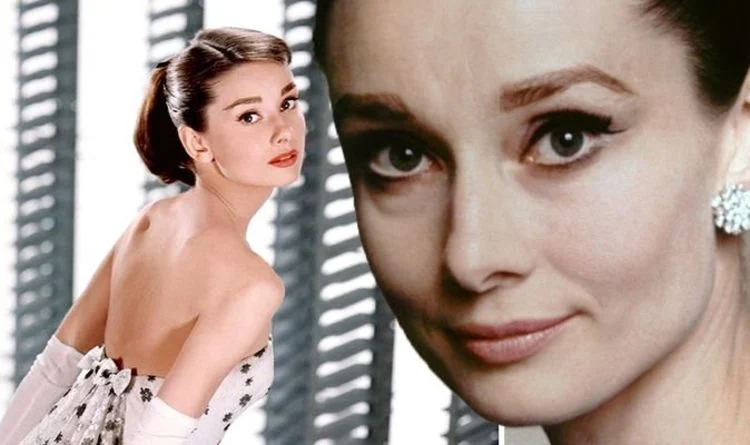
When the news broke on January 20, 1993, the world collectively paused. The headlines were universally heartbreaking, universally echoing a single devastating truth: Audrey Hepburn legendary actress obituary, cause of death – dies from rare cancer at 63. It felt almost impossible to comprehend. How could someone who brought so much light, elegance, and pure goodness into the world be taken so suddenly, and by such an insidious, rare disease? For decades, Audrey Hepburn had captivated global audiences, first as a gamine, wide-eyed cinematic muse in classics like Roman Holiday and Breakfast at Tiffany’s, and later as a tireless, fiercely dedicated Goodwill Ambassador for UNICEF. She wasn’t just a movie star; she was a cultural monument to grace.
At just 63 years old, her life was cut tragically short. But the story of her passing is not just a tale of illness. It’s a profound narrative about resilience, quiet dignity, and the unrelenting desire to put others first, even in the face of immense physical agony. As we look back at the Audrey Hepburn legendary actress obituary, we have to explore not just the tragic cause of death, but the incredible medical timeline, the legacy she left behind, and how her pristine public image contrasts so sharply with the turbulent, scandal-ridden media presence of modern public figures today. Let’s take a massive, deep dive into the final days, the historic career, and the enduring community impact of the woman who redefined what it meant to be an icon.
The Medical Timeline: Diagnosing a Rare and Aggressive Cancer
To truly understand the tragic end of Audrey Hepburn’s life, we have to trace back the medical timeline that led to her shocking diagnosis. It didn’t start in a sterile hospital room in Los Angeles; it began in the dusty, famine-stricken deserts of Somalia.
Early Symptoms in Somalia: Ignoring the Pain for a Greater Cause
In September 1992, Audrey Hepburn embarked on what would be her final, and most physically taxing, mission for UNICEF. She traveled to Somalia, a country ravaged by civil war and a catastrophic famine. Hepburn, who had survived the horrors of starvation during World War II in the Netherlands, felt a profound, almost desperate connection to the starving children she encountered. While on this grueling trip, she began to experience severe, unexplained abdominal cramps.
For most people, debilitating stomach pain in a remote, war-torn country would be an immediate reason for a medical evacuation. But Audrey wasn’t most people. She brushed the pain off, convincing herself and her team that she had likely contracted a stomach bug, perhaps dysentery, or that she was simply suffering from exhaustion. She refused to cut the trip short. Her community impact and her media presence as a voice for the voiceless were too important to her. She pushed through the agonizing pain, ensuring the world’s cameras stayed focused on the starving children of Somalia rather than her own failing health.
The Surgery at Cedars-Sinai: Uncovering Pseudomyxoma Peritonei
When Audrey finally returned to her home in Switzerland, known as “La Paisible” (The Peaceful), the abdominal pain did not subside. In fact, it escalated aggressively. She visited local Swiss doctors, who ran a battery of gastrointestinal tests. Frustratingly, the results were inconclusive. Her partner, Robert Wolders, and her sons grew increasingly worried as her famous, delicate frame began to waste away further.
Seeking better answers, she flew to Los Angeles in early November 1992 to consult with top specialists at Cedars-Sinai Medical Center. On November 1, doctors performed a diagnostic laparoscopy—a minimally invasive surgery meant to get a clear look inside her abdomen. What they found devastated everyone in the operating room.
The surgeons discovered that Hepburn was suffering from a rare, aggressive form of abdominal cancer that had originated in her appendix. The cancer had metastasized, spreading stealthily and wrapping itself around her small intestine like a suffocating web. The medical team painstakingly attempted to remove the tumors and the affected tissue, but the cancer had been growing silently for years. It was deeply entwined with her vital organs.
What is Appendiceal Cancer? A Deep Dive into “Jelly Belly” Syndrome
The specific condition Audrey suffered from is medically known as Pseudomyxoma Peritonei (PMP), heavily associated with appendiceal cancer. It is incredibly rare, affecting only about one to two people per million annually.
Unlike traditional cancers that form hard, localized tumors and spread through the bloodstream or lymphatic system, PMP operates differently. It typically starts as a small polyp in the appendix. Over time, this polyp bursts, leaking tumor cells and a jelly-like substance called mucin into the abdominal cavity. The cells attach to the lining of the abdomen (the peritoneum) and the organs, continuously producing this thick mucin.
In the medical community, advanced stages of PMP were historically referred to as “jelly belly” syndrome because the abdomen literally fills with this gelatinous fluid, crushing the digestive organs and preventing them from functioning. This explained the severe abdominal cramps and malnutrition Audrey had been experiencing. Because the cancer doesn’t usually spread outside the abdomen, it doesn’t always show up clearly on traditional blood tests or early scans, which is exactly why the Swiss doctors missed it.
Following her initial surgery at Cedars-Sinai, doctors started her on a regimen of chemotherapy. However, mere weeks later, she suffered an intestinal blockage. A second surgery revealed the heartbreaking truth: the cancer was too aggressive, the chemotherapy was ineffective, and there was nothing more the medical world could do. She was given just months to live.
The Final Journey: A Christmas Miracle Courtesy of Hubert de Givenchy
Hearing that your condition is terminal is a blow that destroys many, but Audrey Hepburn received the news with characteristic grace. Her eldest son, Sean Hepburn Ferrer, later recalled that upon being told the cancer was incurable, she simply looked out her hospital window and whispered, “How disappointing.”
Her only wish was to go home. She wanted to spend her final Christmas at La Paisible in Tolochenaz, Switzerland, surrounded by her family, her beloved dogs, and the snow-capped Alps.
Escaping the Paparazzi: The Private Jet to Switzerland
However, getting her home was a massive logistical nightmare. She was recovering from two major abdominal surgeries and was far too frail to fly on a commercial airline. Furthermore, the media had caught wind of her illness. The paparazzi were swarming Cedars-Sinai, desperate for a photograph of the dying icon.
Enter Hubert de Givenchy. The legendary French fashion designer wasn’t just the man who created her iconic black dress in Breakfast at Tiffany’s; he was her lifelong best friend and confidant. When he learned of her desperate wish to return to Switzerland, Givenchy immediately leveraged his wealth and connections. He arranged for a private Gulfstream jet, paid for by the philanthropic Mellon family, to transport her.
To ensure her comfort, Givenchy had the interior of the cabin completely filled with her favorite flowers. It was a gesture of profound love. Under the cover of darkness, shielded from the flashing bulbs of the paparazzi, Audrey was carefully loaded onto the jet.
Finding Peace at La Paisible: Audrey’s Final Days
Back in Switzerland, Audrey experienced what her family called a beautiful, final chapter. Despite being bedridden and requiring palliative care, she found immense joy in the simple things. She spent her days looking out at her snow-covered garden, receiving letters from fans around the globe, and talking with her sons, Sean and Luca, and her partner, Robert Wolders.
She celebrated Christmas of 1992, calling it the most beautiful Christmas of her life. She even managed to take a few steps in her garden. But by January, the disease had taken its final toll. On the evening of January 20, 1993, at the age of 63, Audrey Hepburn passed away peacefully in her sleep. The world had lost a legend, but she had gained her rest.
The Official Obituary: Celebrating 63 Years of Grace and Resilience
When you read the Audrey Hepburn legendary actress obituary, cause of death – dies from rare cancer at 63, it’s vital to recognize that her death was only a tiny fraction of her story. Her 63 years on this earth were defined by an incredible trajectory from war-torn poverty to the pinnacle of Hollywood royalty.
Surviving the Ruins of WWII: The Starvation That Shaped Her
Born Audrey Kathleen Ruston on May 4, 1929, in Ixelles, Brussels, her early life was anything but a Hollywood fairytale. Though she was born into aristocratic heritage (her mother was a Dutch baroness), her childhood was fractured when her father, an English banker with fascist sympathies, abandoned the family when she was just six years old.
When World War II broke out, her mother relocated them to Arnhem in the Netherlands, mistakenly believing the country would remain neutral. Instead, the Nazis invaded. During the brutal “Hunger Winter” of 1944, the local population was cut off from food supplies. Young Audrey survived by eating tulip bulbs and drinking water to fill her stomach. She suffered from severe malnutrition, acute anemia, respiratory issues, and edema.
These traumatic wartime experiences permanently altered her metabolism, resulting in the incredibly slender, waif-like figure that would later define her fashion legacy. But more importantly, the trauma forged her profound empathy. She secretly danced ballet to raise money for the Dutch resistance and ran messages in her shoes. When the war finally ended and United Nations relief trucks rolled into her town bringing food, Audrey made a silent vow to repay that debt—a vow she would fulfill decades later.
Cinematic Triumphs: Redefining Hollywood Beauty
Post-war, Audrey moved to London to pursue ballet, but her height and the physical toll of her wartime starvation meant she would never be a prima ballerina. She pivoted to acting, and the rest is cinematic history.
She exploded onto the scene in the 1953 romantic comedy Roman Holiday, starring opposite Gregory Peck. Hollywood, which was dominated by the curvy, blonde bombshell aesthetic of Marilyn Monroe and Jayne Mansfield, didn’t know what to do with her at first. She had a long neck, flat chest, thick eyebrows, and an aristocratic, almost regal demeanor.
But audiences fell madly in love. She won the Academy Award for Best Actress for Roman Holiday, instantly redefining global beauty standards. She went on to star in masterpieces like Sabrina, Funny Face, The Nun’s Story, My Fair Lady, and of course, Breakfast at Tiffany’s. As Holly Golightly, she cemented her status as a fashion icon, turning the “little black dress” into an essential cultural artifact. She remains one of the elite few entertainers to achieve EGOT status (winning an Emmy, Grammy, Oscar, and Tony).
A Legacy of Empathy: Community Impact and UNICEF
While her Hollywood career was legendary, Audrey’s most profound community impact happened after she stepped away from the silver screen. In her later years, she didn’t cling to youth or desperately seek out comeback roles. Instead, she turned her media presence outward.
Advocating for the Voiceless on the Global Stage
In 1988, Audrey was officially appointed as a Goodwill Ambassador for UNICEF. She didn’t just lend her name to the cause; she gave her blood, sweat, and tears. She traveled to some of the most impoverished and dangerous regions on earth. She visited polio vaccine clinics in Turkey, training programs for women in Venezuela, initiatives for street children in Ecuador, and famine relief camps in Ethiopia and Sudan.
The True Meaning of Her Media Presence
Audrey used her unrivaled fame to hijack the media’s attention. When journalists showed up expecting to interview the star of My Fair Lady, she aggressively pivoted the conversation to the lack of clean water in Bangladesh or the starvation in Somalia. She testified before the US Congress, delivering impassioned, articulate pleas for humanitarian aid.
Her community impact was tangible. Her testimony helped secure millions of dollars in relief funds. She fundamentally changed the way celebrities interact with charities, setting the gold standard for philanthropic engagement that stars like Angelina Jolie and George Clooney follow today.
Legal Philosophy and Hollywood Accountability: How the Landscape Has Shifted Since Hepburn’s Era
To fully appreciate the pristine nature of the Audrey Hepburn legendary actress obituary, we have to look at the environment she operated in and contrast it with today’s chaotic media and legal landscape. It might seem strange to discuss legal philosophy, the Harvey Weinstein case, or Rudy Giuliani in an obituary retrospective about Audrey Hepburn, but doing so provides a brilliant lens through which we can understand how Hollywood, fame, and legacy have fundamentally evolved.
The Old Hollywood Studio System vs. Modern Legal Reckonings
During Audrey Hepburn’s rise to fame in the 1950s, the Hollywood Studio System was at the peak of its power. Studios controlled every aspect of a star’s life—from what they wore and who they dated to how their media presence was managed. Legal philosophy in entertainment was heavily focused on protecting the studio’s assets (the actors) through strict moral clauses and the aggressive suppression of scandals. “Fixers” were employed to bury bad press, and the legal structures of the time heavily favored the powerful executives over the talent, especially women.
Audrey navigated this treacherous, male-dominated system with remarkable grace. She avoided the “casting couch” mentality and the rampant exploitation that ruined so many of her contemporaries. She built a legacy that was utterly bulletproof because it was rooted in genuine authenticity and kindness. She didn’t need aggressive lawyers to protect her reputation because her actions spoke for themselves.
The Harvey Weinstein Case: A Paradigm Shift in Entertainment Law and Media Power
Compare Hepburn’s era to the modern entertainment landscape, which has been radically reshaped by the #MeToo movement and the downfall of moguls like Harvey Weinstein. For decades, men like Weinstein operated an updated version of the old studio system’s dark side, using their immense power to exploit women.
However, the legal philosophy surrounding workplace harassment, consent, and media accountability underwent a massive paradigm shift. Weinstein used complex legal tools—specifically Non-Disclosure Agreements (NDAs)—to silence his victims, weaponizing contract law to build a fortress around his abuse. But investigative journalism and a cultural awakening pierced that legal veil.
The Weinstein case proved that the legal philosophy of Hollywood had changed: fame and wealth could no longer buy absolute immunity. It forced a total reevaluation of how power is distributed in the media. When we look back at Audrey Hepburn, a woman who achieved massive power in an era where women had very little legal protection in Hollywood, her ability to maintain her agency, dignity, and unblemished reputation is even more astounding.
Legacy and Media Presence: Contrasting Hepburn’s Grace with Rudy Giuliani’s Legal Downfall
This evolution of legacy and legal accountability isn’t just limited to Hollywood; it extends to all public figures. Let’s examine the dramatic media presence and subsequent fall of political figures like Rudy Giuliani. Once celebrated globally as “America’s Mayor” following the tragic events of 9/11, Giuliani had built a legacy that seemed untouchable.
Yet, in the modern era, a legacy is only as strong as your current actions and your adherence to legal and ethical boundaries. Giuliani’s involvement in spreading baseless election fraud claims led to a massive legal reckoning. He faced catastrophic defamation lawsuits, culminating in a staggering $148 million civil penalty, and the initiation of disbarment proceedings that stripped him of his legal license in key jurisdictions.
Giuliani’s downfall is a masterclass in how quickly a celebrated media presence can be legally and culturally dismantled when a public figure acts recklessly. Defamation law, particularly the standards established in New York Times Co. v. Sullivan, dictates that while public figures face a high bar to claim defamation, they are completely vulnerable when they are the ones spreading malicious falsehoods.
Reputation Management and the Philosophy of Defamation in the Public Eye
Why does this matter to the story of Audrey Hepburn? Because it highlights the profound difference between a manufactured legacy and a genuine one. Modern public figures spend millions on reputation management, crisis PR, and aggressive defamation litigation to protect their images. They use the legal system as a shield and a sword.
Audrey Hepburn’s legacy required no legal defense. Her reputation management consisted entirely of her community impact—feeding the starving, comforting the sick, and living a life of quiet, unassuming dignity. When she passed away, her obituary didn’t have to navigate scandals, NDAs, or legal battles. It simply reflected the pure, unadulterated goodness of a woman who gave far more to the world than she ever took. In an era where legacies are routinely destroyed in courtrooms, Hepburn’s legacy remains a shining, untouchable beacon.
The Aftermath: Funerals, Tributes, and World Reaction
The news of her death sent shockwaves across the globe. UNICEF headquarters in New York flew its flag at half-mast, a rare honor usually reserved for heads of state.
A Gathering of Legends in Tolochenaz
On January 24, 1993, a small, fiercely private funeral was held in the village church of Tolochenaz, Switzerland. The quiet, snowy village was transformed as some of the most famous and powerful people in the world arrived to pay their respects.
The pallbearers carrying her simple wooden casket included the men who had loved her most: her two sons, Sean Ferrer and Luca Dotti; her final partner, Robert Wolders; her ex-husband, Andrea Dotti; her lifelong friend, Hubert de Givenchy; and Prince Sadruddin Aga Khan, a fellow humanitarian. Alain Delon and Roger Moore were among the mourners in the pews, weeping for their lost friend.
Gregory Peck and Elizabeth Taylor Bid a Tearful Farewell
The tributes that poured in from her Hollywood peers were gut-wrenching. Gregory Peck, her co-star in Roman Holiday who had famously demanded that her name be placed above the title alongside his because he knew she was going to win an Oscar, recorded a tearful television tribute. Facing the camera, his voice breaking, Peck recited her favorite poem, Rabindranath Tagore’s “Unending Love.”
Elizabeth Taylor, another titan of the silver screen, summarized the world’s feelings perfectly. Upon hearing of Audrey’s passing, Taylor simply said, “God has a most beautiful new angel. She will give them all a lot of class in heaven.”
How Audrey Hepburn’s Death Changed Cancer Awareness
The Audrey Hepburn legendary actress obituary, cause of death – dies from rare cancer at 63, did more than just break hearts; it shone a massive, global spotlight on a disease that the medical community barely understood at the time.
Before 1993, appendiceal cancer and Pseudomyxoma Peritonei were virtually unheard of by the general public. Research funding was abysmal because the condition was so exceptionally rare. However, the death of such a high-profile figure catalyzed a surge in awareness and research dollars.
Modern Advancements: HIPEC Surgery and Renewed Hope
Today, the medical landscape for patients diagnosed with PMP is vastly different than it was when Audrey was given her terminal diagnosis at Cedars-Sinai. Thanks to increased funding and research, doctors developed a revolutionary treatment known as HIPEC (Hyperthermic Intraperitoneal Chemotherapy).
In this procedure, surgeons perform an exhausting “cytoreductive” surgery to meticulously remove all visible tumors and mucin from the abdominal cavity. Then, while the patient is still on the operating table, heated chemotherapy drugs are pumped directly into the abdomen and circulated for several hours. This targeted, high-heat approach kills the microscopic cancer cells left behind.
If Audrey Hepburn were diagnosed with PMP today, she would likely be a candidate for HIPEC surgery, which has drastically improved survival rates, offering long-term remission and even cures for a disease that was a definitive death sentence in 1993. Her tragic passing unwittingly paved the way for medical breakthroughs that are saving lives today.
Frequently Asked Questions (FAQ)
What exactly was Audrey Hepburn’s cause of death? Audrey Hepburn died from an incredibly rare form of abdominal cancer called Pseudomyxoma Peritonei (PMP), which originated in her appendix. The cancer produced a jelly-like mucin that spread throughout her abdominal cavity, suffocating her digestive organs and preventing her body from processing food, ultimately leading to terminal intestinal complications.
How old was Audrey Hepburn when she died? She was 63 years old. She passed away on January 20, 1993.
Where is Audrey Hepburn buried? Audrey Hepburn is buried in the small, unassuming local cemetery in Tolochenaz, a beautiful village in the canton of Vaud, Switzerland. Her grave is remarkably modest, marked by a simple stone cross surrounded by a lush bed of flowers, reflecting her humble nature in life.
Did Audrey Hepburn smoke, and did it cause her cancer? Yes, Audrey Hepburn was a heavy chain-smoker for most of her adult life, reportedly smoking up to three packs a day. However, appendiceal cancer and Pseudomyxoma Peritonei are not typically linked to smoking. While her heavy smoking certainly did not help her overall health or her respiratory system (which was already weakened by childhood malnutrition during WWII), oncologists do not believe her smoking directly caused the rare genetic mutation that led to her specific appendix cancer.
An Immortal Legacy Written in Compassion
When we reflect on the Audrey Hepburn legendary actress obituary, cause of death – dies from rare cancer at 63, we are not just looking back at the loss of a cinematic titan. We are looking at the blueprint of a life extraordinarily well-lived.
Audrey Hepburn gave the world timeless style, unforgettable cinematic moments, and a masterclass in human empathy. While modern celebrity culture is often marred by ego, intense legal battles, and aggressive reputation management, Audrey’s legacy stands apart, completely untarnished. She survived the horrors of war, conquered the ruthless machinery of Hollywood, and spent her final, most precious years desperately trying to save the lives of children in the most forgotten corners of the globe.
Cancer may have claimed her body at the age of 63, but it couldn’t touch her spirit. Her legacy isn’t just preserved in the reels of Breakfast at Tiffany’s or Roman Holiday; it lives on in every child vaccinated by UNICEF, in every patient saved by modern appendiceal cancer research, and in the enduring belief that true beauty is not what you look like, but what you give back to the world.