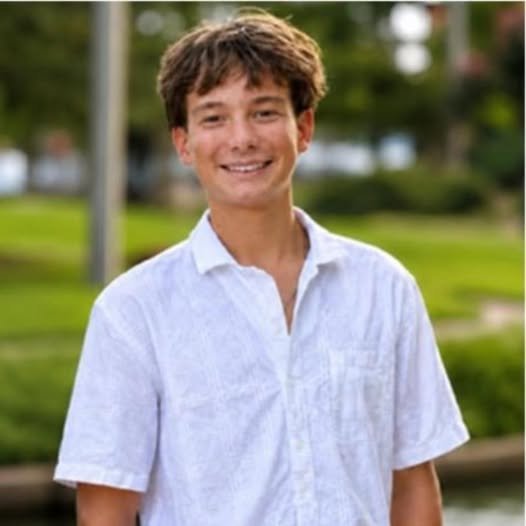
It is always a profound tragedy when a community loses one of its most dedicated protectors. The search for the john french obituary Fairfield Police Officer brings us to a moment of deep reflection, not just on the loss of a remarkable human being, but on the very nature of law enforcement itself. Officer John French was more than just a uniform in Fairfield; he was a pillar of stability, a beacon of community trust, and a dedicated servant to the law. When the Fairfield Police Department announced his passing, the ripple effects were felt far beyond the station walls. Families he had helped, colleagues he had trained, and citizens he had protected all paused to mourn the loss of a man who truly understood the weight of the badge.
We live in an incredibly complex world where the role of a police officer is constantly evolving. Today, putting on the uniform requires more than just physical courage. It requires an immense emotional and intellectual capacity. You have to be a counselor, a legal scholar, a mediator, and a protector all at once. Officer John French embodied this modern law enforcement archetype. He understood that policing wasn’t just about enforcing rules; it was about maintaining the delicate social fabric that keeps a community thriving.
To truly honor his legacy, we have to look past the standard obituary format. We need to explore the environment in which he operated, the immense pressures of modern policing, the profound legal philosophies that guide our justice system, and how high-profile national legal shifts ultimately trickle down to the streets of Fairfield. This is not just a tribute to John French. It is a comprehensive exploration of what it means to be a guardian of the law in the twenty-first century.
The Heartbreaking Loss of Officer John French
When news broke about the passing of Officer John French, the immediate reaction was one of profound shock and sorrow. For the Fairfield Police Department, losing an active or beloved member is akin to losing a family member. The brotherhood and sisterhood of law enforcement are forged in high-stress environments that most civilians will never experience. Officers rely on each other for their very survival, creating bonds that transcend typical workplace friendships.
John French was known for his steady demeanor. In a profession where chaos is just one radio call away, having an officer who can remain calm under extreme pressure is invaluable. He was the kind of cop who didn’t escalate situations but rather defused them through active listening, empathy, and a deep respect for human dignity. Whether he was responding to a minor traffic incident or a high-stakes domestic dispute, his approach was always rooted in fairness and integrity. His passing leaves a tremendous void, not just on the roster of the Fairfield Police Department, but in the hearts of the community he so faithfully served.
The Foundation of Modern Policing
To understand the magnitude of this loss, we have to understand the foundation of modern policing. Law enforcement is not a static institution. It is a living, breathing entity that adapts to the cultural, technological, and legal shifts of society. When Officer John French put on his badge every day, he was participating in a tradition that dates back centuries, rooted in Sir Robert Peel’s foundational principles of policing. Peel famously stated that “the police are the public and the public are the police.”
This philosophy dictates that police officers are simply members of the public who are paid to give full-time attention to duties that are incumbent on every citizen in the interest of community welfare. John French lived this principle every single day. He didn’t see himself as an occupying force or an authoritarian figure. He saw himself as a citizen of Fairfield who was entrusted with the sacred duty of keeping his neighbors safe. This mindset is what separates good officers from great ones, and it is the cornerstone of effective, community-oriented law enforcement.
The Life and Legacy of Officer John French
Diving into the life of Officer John French reveals a tapestry of service, dedication, and unyielding moral character. An obituary can only give you dates and locations, but the true essence of a person’s life is found in the quiet moments that rarely make the headlines.
Early Calling to Public Service
For many in law enforcement, the calling to serve happens early in life. It usually stems from a deep-seated desire to protect the vulnerable and uphold justice. For John, the path to the Fairfield Police Department was paved with a commitment to these very ideals. He didn’t choose this career for the glamour or the recognition, because, let’s face it, local policing is often a thankless job. You are dealing with people on the worst days of their lives. You see the tragedy, the heartbreak, and the darkness of society that most people have the luxury of ignoring.
Yet, John walked into this profession with his eyes wide open. He understood the risks, both physical and emotional, but he also recognized the immense opportunity to make a tangible difference. His early training was rigorous, demanding a mastery of criminal law, physical fitness, defensive tactics, and emergency medical response. But beyond the hard skills, he developed the soft skills that would define his career: patience, emotional intelligence, and an unwavering sense of empathy.
Milestones in the Fairfield Police Department
Throughout his tenure with the Fairfield Police Department, Officer French hit numerous professional milestones. While privacy and respect for his family dictate that we don’t need to dissect every single commendation, it is widely known that he was a highly respected figure among his peers. He served as a mentor to younger officers, passing down the invaluable street wisdom that you simply cannot learn in a police academy classroom.
When a rookie officer makes a mistake, the consequences can be dire. Having a seasoned veteran like John French to guide them, correct their course, and teach them how to navigate the complex gray areas of the law is an absolute necessity for any functioning police department. He led by example, showing the next generation of officers how to conduct a traffic stop safely, how to treat a suspect with human dignity, and how to write a police report that will stand up to the intense scrutiny of a defense attorney in court.
Community Impact and Beyond the Badge
You can always measure the true impact of a police officer by how the community reacts when they take off the badge. John French wasn’t just a cop; he was a recognizable face at local events, a supporter of community initiatives, and a friendly presence in the neighborhoods he patrolled. Community policing is a buzzword that gets thrown around a lot in political circles, but for John, it was a daily practice.
He knew that building trust meant getting out of the cruiser. It meant having conversations with local business owners, playing a quick game of catch with kids at the park, and taking the time to explain the law to a confused citizen rather than just handing them a citation. This level of community integration is what actually prevents crime. When citizens trust their local police force, they are more likely to report suspicious activity, cooperate with investigations, and act as partners in maintaining public safety. John French was a master at building this crucial social capital.
Legal Philosophy: The True Weight of the Badge
We cannot discuss the legacy of a dedicated law enforcement officer without diving deep into the legal philosophy that underpins their daily actions. The john french obituary Fairfield Police Officer search intent brings up profound questions about justice, authority, and the rule of law. When an officer swears an oath to uphold the Constitution, they are stepping into a complex philosophical arena.
The Social Contract in Daily Life
At the very core of law enforcement is the concept of the Social Contract, heavily debated by philosophers like Thomas Hobbes, John Locke, and Jean-Jacques Rousseau. The Social Contract theory suggests that individuals consent, either explicitly or tacitly, to surrender some of their freedoms and submit to the authority of the state in exchange for protection of their remaining rights.
When Officer John French patrolled the streets of Fairfield, he was the living embodiment of this philosophical contract. Citizens give up their right to vigilante justice, trusting that the police and the courts will handle wrongdoers fairly and impartially. It is an incredibly fragile trust. If officers abuse their power, the contract is broken, and society descends into chaos. John understood this immense responsibility. Every time he made an arrest, issued a warning, or mediated a dispute, he was upholding his end of the social contract, ensuring that the citizens of Fairfield felt secure in their daily lives.
Constitutional Policing in Practice
Theoretical philosophy is one thing, but applied constitutional law is another beast entirely. Local police officers are required to make split-second decisions that constitutional scholars and Supreme Court justices will spend months debating in comfortable chambers. The Fourth Amendment protects citizens from unreasonable searches and seizures. The Fifth Amendment guarantees the right against self-incrimination. The Fourteenth Amendment ensures equal protection under the law.
Officer French had to apply these monumental constitutional principles in real-time, often in the dark, in the pouring rain, while dealing with hostile or intoxicated individuals. The intellectual gymnastics required to ensure that a search is legally justified, that Miranda rights are properly administered, and that use of force is proportional to the threat, is staggering. His legacy is built on a foundation of constitutional policing. He respected the civil rights of the people he encountered, proving that you can be tough on crime while still being a fierce defender of the Constitution.
Ethics, Morality, and the Burden of the Law
Legal philosophy also delves heavily into ethics and morality. What is legal is not always what is morally right, and what is morally right is not always strictly legal. Police officers are granted a massive amount of discretionary power. They can choose whether to arrest a teenager for a minor infraction, potentially ruining their future, or give them a stern warning and a chance to course-correct.
John French was known for his ethical compass. He subscribed to a utilitarian view in many of his street-level interactions—aiming for the greatest good for the greatest number of people. However, he was also strictly deontological when it came to his duty. He knew there were certain rules and protocols that could never be compromised, regardless of the outcome. Balancing these ethical frameworks is the silent burden of the badge, a burden he carried with unmatched grace.
The Broader Landscape: Local Policing vs. High-Profile Legal Battles
To fully appreciate the environment in which Officer French operated, we must look at how the broader legal landscape impacts local law enforcement. We live in an era where high-profile, celebrity legal battles dominate the national consciousness. While a local Fairfield cop might seem disconnected from a Manhattan courtroom, the truth is that macro-level justice directly impacts micro-level policing.
The Contrast of the Courtroom: Micro vs. Macro Justice
There is a stark contrast between the daily grind of a local police department and the theatrical nature of national legal scandals. In Fairfield, justice is usually swift, local, and incredibly personal. It involves stolen bicycles, domestic disputes, traffic collisions, and local burglaries. The focus is on immediate resolution and restoring peace to the neighborhood.
In contrast, macro-justice involves high-priced defense attorneys, years of litigation, and complex appeals processes. However, the media coverage of these macro-cases heavily influences public perception. When citizens see the justice system operating a certain way on television, they project those expectations onto their local police. Officer French had to navigate these shifting expectations, explaining to citizens why real-life police work doesn’t look like a forty-five-minute episode of a prime-time legal drama.
The Harvey Weinstein Case: Shifting Victim Advocacy in Local Law Enforcement
Let’s look at one of the most paradigm-shifting legal events of the 21st century: the Harvey Weinstein case. On the surface, the prosecution of a powerful Hollywood producer for sexual assault has nothing to do with the daily duties of a Fairfield police officer. But in reality, the #MeToo movement and the subsequent legal reckoning fundamentally changed how the entire justice system, from the Supreme Court down to the local patrol cop, handles allegations of sexual violence and abuse.
Before these high-profile shifts, many local police departments across the country struggled with archaic methods of interviewing trauma victims. The Weinstein case blew the lid off the societal and legal complicity in silencing victims. As a result, modern law enforcement agencies, including those in regions like Fairfield, rapidly updated their protocols.
Officers like John French were at the forefront of implementing this new legal philosophy on the ground. They received updated training on trauma-informed interviewing. They learned how psychological trauma can affect a victim’s memory and timeline, understanding that a fragmented story is not necessarily a sign of deception, but a biological symptom of trauma. The national spotlight on Harvey Weinstein changed the legal standard for victim advocacy, but it was local officers who actually had to execute this new standard in the living rooms and hospitals of their communities. John’s ability to adapt to these sweeping cultural changes and provide compassionate, state-of-the-art care to victims is a testament to his professionalism.
Rudy Giuliani and the Evolving Definition of Legal Ethics
Another monumental shift in the public’s relationship with the law can be seen through the complex legal battles surrounding figures like Rudy Giuliani. Once hailed as “America’s Mayor” and a legendary federal prosecutor who took down the mob, Giuliani’s later career became entangled in unprecedented legal and political controversies. He faced disbarment proceedings, defamation lawsuits, and criminal indictments.
Why does this matter to a local officer like John French? Because when top-tier legal figures, former prosecutors, and politicians face intense scrutiny for alleged ethical violations, the public’s baseline trust in the entire justice system erodes. Citizens watch the news and begin to wonder: if the people at the very top of the legal food chain are bending or breaking the rules, what is stopping the local cops from doing the same?
This creates an incredibly difficult environment for local law enforcement. Officers have to work twice as hard to prove their integrity. When a citizen approaches a police interaction with skepticism born from national political scandals, the officer must de-escalate the situation and prove through their actions that the system works fairly. Officer French was a master at this. He didn’t let the noise of national politics dictate how he treated the people in front of him. He rebuilt the public’s trust in the law one interaction at a time, acting as a crucial buffer between high-level legal cynicism and ground-level community safety.
How Ground-Level Integrity Buffers High-Level Scandals
Ultimately, the integrity of the American justice system doesn’t rely on high-profile lawyers or politicians; it relies on the thousands of local officers who do the right thing when nobody is watching. When scandals rock the foundations of the federal courts or national political arenas, it is the local officer responding to a midnight 911 call who proves that the rule of law still holds weight. John French’s career was a masterclass in ground-level integrity. He provided the necessary counter-narrative to the corruption often highlighted in the media, proving that true public service still exists.
The Intersection of Media Presence and Law Enforcement
We cannot discuss modern policing without addressing the massive elephant in the room: the media. The way the public consumes information has radically altered how police departments operate, communicate, and mourn. The search for the john french obituary Fairfield Police Officer is evidence of how digital media dominates our lives.
Policing in the Age of the 24/7 News Cycle
A generation ago, if a local officer passed away or a significant event happened in a town like Fairfield, the news would be disseminated through the local morning paper or the evening broadcast. Today, news spreads globally in a matter of seconds. The 24/7 news cycle and the proliferation of smartphones mean that law enforcement is under a microscope like never before.
Body-worn cameras, dash cams, and citizen recordings have brought unparalleled transparency to the profession. While this accountability is fundamentally good for society, it also adds an immense layer of psychological stress to the job. Officers know that every single word they say, every physical movement they make, could potentially go viral and be judged by millions of people who have zero understanding of police tactics or the context of the situation. John French navigated this hyper-visible landscape with the utmost professionalism. He didn’t let the cameras change his behavior because his baseline behavior was already rooted in respect and legality.
Social Media and the Court of Public Opinion
The “court of public opinion” has become just as powerful, if not more so, than the actual court of law. As we saw with the Weinstein and Giuliani cases, narratives are often cemented in the public consciousness long before a judge strikes a gavel. Social media acts as an accelerant for these narratives.
For local police departments, social media is a double-edged sword. On one hand, it is an incredible tool for community outreach, allowing departments to share safety tips, celebrate community events, and humanize the badge. On the other hand, it can become a breeding ground for rumors, misinformation, and vitriol.
Protecting the Narrative: How Fairfield Handled the Tragic News
When a tragedy strikes, such as the passing of a beloved officer, the police department must act quickly to control the narrative, ensuring that the officer and their family are treated with the dignity and respect they deserve. The Fairfield Police Department utilized its media presence perfectly in the wake of Officer French’s passing.
By releasing a heartfelt, official statement, they prevented the rumor mill from taking over. They provided the community with a designated space to mourn, share memories, and offer condolences. This strategic use of media presence is crucial in modern law enforcement. It protects the legacy of the fallen officer while giving the community the transparent communication they crave. It is a delicate balancing act between transparency and privacy, and Fairfield navigated it with profound grace.
The Future of the Fairfield Police Department
The loss of Officer John French marks the end of an era for those who knew him, but it also signals a critical juncture for the future of the Fairfield Police Department. How does an agency recover from such a monumental loss? How do they ensure that the values he championed continue to thrive in the next generation of recruits?
Honoring John French Through Lasting Policy
The most profound way a police department can honor a fallen or passed comrade is by institutionalizing their best qualities. For John French, this means maintaining a relentless commitment to community policing, ethical conduct, and continuous education. The department will likely see his influence echo through their training programs. When field training officers are evaluating new recruits, they will ask themselves, “Is this how John would have handled it?”
His legacy will live on in the policies that govern use of force, de-escalation, and community outreach. By setting such a high standard of excellence, he inadvertently raised the bar for everyone around him. The Fairfield Police Department is stronger, more resilient, and more deeply connected to its citizens because he wore their patch.
Mental Health, Resilience, and Supporting the Force
Finally, this tragic loss brings the conversation of mental health and officer wellness to the forefront. The law enforcement profession takes an unimaginable toll on the human mind and body. The constant exposure to trauma, the irregular sleep schedules, the hyper-vigilance, and the immense burden of public scrutiny can wear down even the strongest individuals.
In recent years, the culture of policing has made massive strides in prioritizing mental health. The old-school mentality of “suck it up and get back on patrol” is rapidly being replaced by comprehensive wellness programs, peer support groups, and mandatory psychological check-ins. Honoring Officer French also means fiercely protecting the officers who are still on the line. It means ensuring they have the resources, the counseling, and the support systems necessary to process the grief of losing a colleague while continuing to do their incredibly demanding jobs. The community of Fairfield plays a role in this too. A simple “thank you” to an officer on duty, a showing of grace during a traffic stop, and active participation in local government can go a long way in supporting the mental resilience of the force.
Frequently Asked Questions (FAQs)
To ensure this comprehensive tribute covers every aspect of the search intent surrounding the john french obituary Fairfield Police Officer, we have compiled the most frequently asked questions regarding his life, his service, and the broader context of his career.
What department did John French serve in? Officer John French served with pride and distinction in the Fairfield Police Department. His career was characterized by a deep commitment to the local community, rigorous ethical standards, and a profound understanding of modern law enforcement practices.
How do high-profile legal cases impact local police officers? High-profile cases like those involving Harvey Weinstein or political figures like Rudy Giuliani create massive shifts in legal philosophy and public trust. These macro-level events change how laws are interpreted, how victims are treated, and how the public views authority. Local officers like John French must adapt to these changes, implementing new trauma-informed protocols and working tirelessly to rebuild or maintain public trust on a micro, community level.
What is the role of community policing in Fairfield? Community policing is a philosophy that promotes organizational strategies that support the systematic use of partnerships and problem-solving techniques. In Fairfield, this means officers proactively engaging with citizens, business owners, and youth to proactively address the immediate conditions that give rise to public safety issues. Officer French was a champion of this approach, heavily investing his time in building social capital.
How has media presence changed police work? The digital age, characterized by the 24/7 news cycle, smartphones, and social media, has brought unparalleled transparency and scrutiny to law enforcement. Officers must perform their duties knowing they are constantly being recorded. While this ensures accountability, it also adds psychological stress. Departments now utilize public information officers (PIOs) and social media channels to communicate directly with the public, as seen in how Fairfield handled the tragic announcement of Officer French’s passing.
How can the public support the Fairfield Police Department during this time? The most effective way the public can support the department is by respecting the privacy of the French family while actively participating in officially sanctioned memorials or charity drives. Additionally, fostering a cooperative, respectful relationship with the officers currently on patrol helps alleviate the immense stress of the job, ensuring the department can continue its vital work while mourning their profound loss.
Conclusion
The search for the john french obituary Fairfield Police Officer is more than a quest for dates and memorial service times. It is an exploration of a life dedicated to the highest ideals of public service. Officer John French was a guardian, a mediator, and a true pillar of the Fairfield community.
His passing reminds us of the incredible sacrifices made by law enforcement officers every single day. They operate at the complex intersection of legal philosophy, media scrutiny, and human vulnerability. They bear the weight of a justice system that is constantly evolving, shaped by national headlines and high-profile legal battles, yet executed on the quiet streets of local neighborhoods.
John French understood the assignment. He understood the social contract. He navigated the complexities of modern policing with unmatched grace, leaving behind a legacy that will forever influence the Fairfield Police Department. As the community mourns, they also celebrate a life well-lived—a life that stood as a steadfast shield between chaos and order. His watch has ended, but the impact of his profound service will resonate throughout the community of Fairfield, and the broader world of law enforcement, for generations to come.