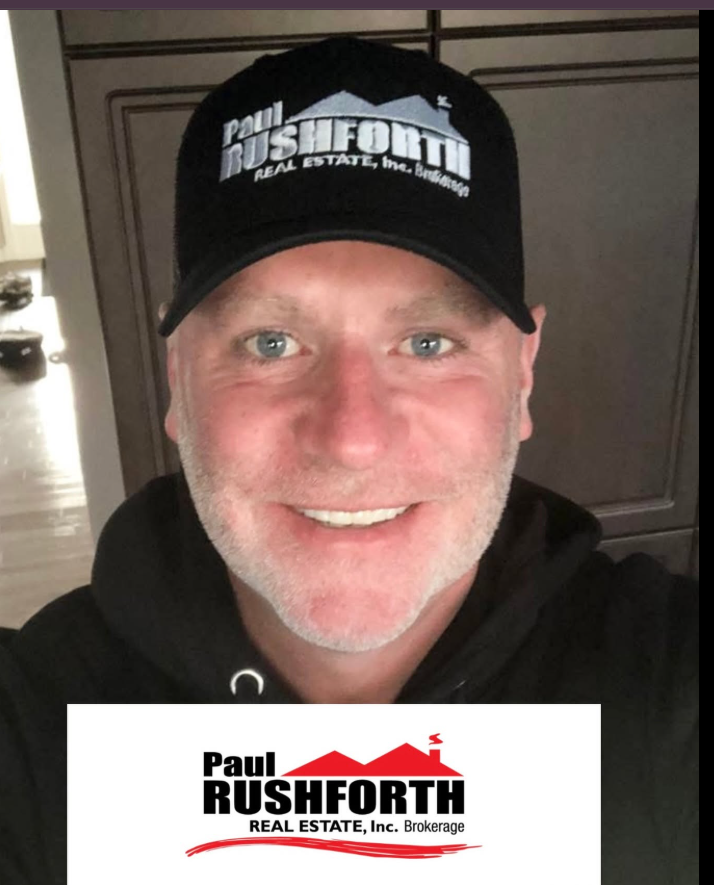
You know how it goes when you type a name into a search engine. Sometimes, the internet’s predictive text takes a life of its own, mashing up trending keywords to create a narrative that is entirely divorced from reality. If you arrived here by searching for “Paul Rushforth Ottawa, ON Death-Obituary: Ottawa Real Estate Community Honors Legacy of Respected Realtor and Mentor,” you might be holding your breath, expecting the worst.
Let us clear the air immediately. Paul Rushforth is not dead. He is alive, exceptionally well, and continuing to dominate the Ottawa real estate market as one of its most influential leaders.
So why does a keyword like this exist? Why is the internet whispering about the passing of a local icon? In the digital age, algorithms often combine the names of prominent public figures with highly searched terms like “obituary” or “death” due to completely unrelated news stories, extended family announcements, or simply the morbid curiosity of the web. What this bizarre search trend actually provides is a unique opportunity. It gives us a moment to step back and examine the profound impact Paul Rushforth has had—and continues to have—on the Ottawa community. It also opens a massive, fascinating door into the world of reputation management, media presence, and the legal philosophies that govern public perception today.
Let’s dive deep into the real story. We are going to explore the living legacy of a respected realtor and mentor, dissect the strange phenomenon of internet death hoaxes, and examine how public figures protect their legacies—comparing successful community leaders with notable historical cases of reputational collapse. Grab a coffee, because we are unpacking the intersection of real estate, media, law, and human legacy.
The Anatomy of a Digital Rumor: Setting the Record Straight on Paul Rushforth
It is incredibly jarring to see your own name attached to an obituary. For public figures, it is a strangely common hazard of modern internet architecture. The search query surrounding Paul Rushforth’s supposed passing is a textbook example of algorithmic confusion. But how exactly does this happen?
How Search Algorithms Generate False Obituaries
Search engines are designed to give users what they want based on historical data. If a famous person sneezes and takes a sick day, a thousand people might google “Is [Name] sick?” Eventually, the search engine starts auto-suggesting it. In the real estate world, agents are public figures. Their faces are on billboards, buses, and digital ads. They host radio shows and appear on television. When you are that visible, your name becomes a magnet for random search terms.
In Paul Rushforth’s case, a few digital wires got crossed over the years. First, there have been obituaries of extended family members or individuals with similar names in different provinces. Second, real estate is a high-stakes, fast-paced industry where local news occasionally intersects with business operations. If a news outlet publishes a story involving the word “death” or “tragedy” anywhere near the name of a brokerage, automated web scrapers and AI bots start linking the concepts.
The Role of Autocomplete and Keyword Mashed-Up Searches
Autocomplete is both a blessing and a curse. It saves us keystrokes but frequently amplifies misinformation. A user might type “Paul Rushforth Ottawa,” and because another user recently searched for an obituary in Ottawa, the machine learning model marries the two. Suddenly, an entirely fictional narrative is born. This phenomenon is known in digital marketing circles as “keyword mashing.” It creates phantom trends that force business owners to address rumors they never started.
Why the Ottawa Real Estate Community Paused
Even a baseless rumor can cause a ripple effect. When whispers of this specific search trend hit the Ottawa real estate community, there was a collective pause. Why? Because Paul Rushforth is not just a guy who sells houses. He is an institution in the National Capital Region. If you work in real estate in Ontario, you know his name. You know his radio show. You know his marketing strategies. The momentary shock experienced by colleagues and competitors alike speaks volumes about the space he occupies in the industry. It proves that his legacy—though very much active and ongoing—is deeply respected.
Who is Paul Rushforth? The Living Legacy of a Respected Realtor
To understand why the community cares so much, we have to look at the man behind the brand. Paul Rushforth’s story is not your typical corporate ladder climb. It is a story of intense competition, reinvention, and an unwavering commitment to excellence.
From Professional Hockey to Real Estate Mogul
Before he was closing multi-million-dollar property deals, Paul Rushforth was lacing up skates. He spent ten years playing professional hockey across North America and Europe. Anyone who has played competitive sports at an elite level knows that it requires a unique psychological makeup. You have to be resilient, coachable, fiercely competitive, and team-oriented.
When Paul retired from professional hockey in 2004, he didn’t just hang up his jersey; he took the exact same work ethic that got him into the pros and applied it to the Ottawa real estate market. The transition from athlete to businessman is notoriously difficult, but Paul treated real estate like a sport. He studied the market, analyzed his competitors, and put in the exhausting hours required to build a client base from scratch.
Building Ottawa’s Number One Real Estate Team
Within a few short years, Paul wasn’t just surviving in real estate; he was dominating it. By 2007, his team ranked as the top residential real estate team in Ottawa. By 2009, they achieved global recognition within their brokerage network. But scaling a business from a solo operation to a massive enterprise requires more than just individual hustle. It requires leadership.
Paul built Paul Rushforth Real Estate Inc. on the premise that no single agent can be amazing at absolutely everything. Instead of the traditional model where an agent handles marketing, admin, staging, and negotiating all alone, Paul created a specialized team environment. He hired administrative experts, marketing gurus, and specialized buyer and seller agents. This structure allowed his realtors to focus strictly on their clients, leaving the backend logistics to dedicated professionals.
Mentorship and Training the Next Generation of Agents
This is where the word “mentor” in our search query truly comes into play. Paul has built a reputation not just for selling homes, but for building careers. He is known for taking young, hungry agents under his wing and teaching them the mechanics of the trade. Mentorship in real estate is critical. It is an industry with a notoriously high failure rate; most new agents wash out within their first two years.
By creating an environment of continuous learning, accountability, and support, Paul has shaped the careers of dozens of top-producing realtors in Ottawa. He teaches them how to read market data, how to negotiate aggressively but fairly, and most importantly, how to treat every single client with the utmost respect. The Ottawa real estate community honors his legacy precisely because his legacy is woven into the success of so many others.
Community Impact: Philanthropy and Local Dedication
You do not get to be a respected community figure just by making money. True legacies are built on what you give back. The false obituary search query inadvertently highlights the deep roots Paul Rushforth has planted in Ottawa soil.
Giving Back to Ottawa Charities and Families
For nearly two decades, Paul Rushforth and his team have been actively involved in local philanthropy. They don’t just write checks; they show up. From sponsoring local youth sports teams—a cause obviously close to a former pro hockey player’s heart—to participating in massive charity drives, the team is deeply embedded in the community fabric.
They have provided moving trucks free of charge to local charities and community groups, ensuring that donations reach those in need. They have organized food drives, sponsored local events in Orleans, Kanata, and across the National Capital Region, and consistently used their massive platform to elevate local causes.
The Real Estate Community Honors a Mentor’s Ongoing Work
When someone mentions the “legacy” of a mentor, they are talking about this holistic approach to life and business. Real estate is fundamentally a local enterprise. You cannot succeed in a city if you do not love that city and support the people who live in it. The respect Paul commands in Ottawa is a direct reflection of his willingness to invest his time, resources, and energy back into the neighborhoods he helps people buy and sell homes in. He isn’t just selling Ottawa; he is building it.
Reputation Management and Media Presence for Public Figures
When a weird internet rumor pops up, how a public figure handles it depends entirely on the media foundation they have already built. Paul Rushforth is practically immune to digital hoaxes because his media presence is incredibly robust, transparent, and consistent.
Mastering Radio, Television, and Digital Media
Long before podcasts and TikTok were the norm, Paul Rushforth understood the power of broadcasting. He became a staple on Ottawa radio, hosting open, honest discussions about the housing market, interest rates, and investment strategies. His media presence is not about vanity; it is about education.
By consistently appearing on television and radio to offer market updates, he positioned himself as the trusted authority. When the market crashed, people tuned in to hear his take. When interest rates spiked, they sought his advice. This consistent, multi-channel media presence creates a fortress around a public figure’s reputation.
Why a Strong Digital Footprint Defeats Internet Rumors
Think about the mechanics of the “death-obituary” rumor. If Paul were a reclusive figure who never updated his website or appeared in public, a search engine glitch might actually convince people he had passed away. But because he uploads weekly YouTube videos, posts daily market updates, and broadcasts live radio shows, the rumor is instantly debunked by his own digital footprint.
This is the ultimate lesson in reputation management. You cannot control what the internet algorithms generate, but you can control the overwhelming volume of truth that surrounds your name. By flooding the digital space with valuable, high-quality, current content, public figures insulate themselves from the negative impacts of algorithmic errors.
Legal Philosophy: Digital Identity, Defamation, and Public Perception
This bizarre internet phenomenon gives us a perfect runway to discuss something much deeper: the legal philosophy of digital identity and reputation. When does an internet rumor cross the line from a quirky glitch into actionable defamation? How do public figures navigate the treacherous waters of public perception?
The Legal Framework of Digital Legacies
In legal philosophy, a person’s reputation is considered a valuable, protectable asset. Historically, reputation was built over a lifetime of local interactions. Today, your digital legacy is constructed globally, in milliseconds, by search engines and social media platforms. The law has had to rapidly evolve to keep up with the concept of a “digital identity.”
When a false statement is published about a living person—such as a fake obituary—it brushes up against tort law. While an auto-generated search query might not have a malicious human author, the legal philosophy behind protecting one’s name remains the same. A person has the fundamental right to their own narrative.
Libel, Slander, and the Modern Internet
In Canadian and American law, defamation involves making a false statement that harms someone’s reputation. If it is spoken, it is slander. If it is written (or published online), it is libel.
If a news outlet or a malicious competitor intentionally published a fake obituary about Paul Rushforth to steal his clients, that would be a clear-cut case of libel. The legal philosophy here is grounded in the idea that commerce and community rely on truth. If bad actors can destroy a business with a lie, the social contract breaks down.
Understanding the “Actual Malice” Standard
However, for public figures, the legal hurdle is much higher. The philosophy of free speech dictates that public figures must endure a certain amount of scrutiny and error. To win a defamation case, a public figure usually has to prove “actual malice”—meaning the publisher knew the information was false or acted with reckless disregard for the truth.
In the case of AI-generated search terms and algorithmic rumors, there is no “actual malice.” It is a machine making a mathematical error. This creates a fascinating legal gray area. Who do you sue when a robot generates a rumor? You can’t. This is why proactive reputation management, rather than reactive litigation, is the only viable strategy in the modern era.
The Right to be Forgotten vs. The Need to be Remembered
European legal philosophy introduced the “Right to be Forgotten,” allowing individuals to ask search engines to remove outdated or false information about them. While North America relies more heavily on free speech protections, the philosophical debate is raging.
For a mentor and community leader like Paul Rushforth, the goal isn’t to be forgotten; it is to be remembered correctly. The digital space is permanent. Ensuring that your digital footprint reflects your actual living legacy—your charity work, your business acumen, your mentorship—is the best legal and social defense against the chaos of the internet.
Notable Cases in Public Perception: The Fragility of a Legacy
While Paul Rushforth’s digital hurdle involves a harmless but confusing search engine anomaly, it forces us to look at how reputation is managed—and destroyed—on a grand scale. What happens when a legacy is challenged not by a computer glitch, but by actual moral or legal bankruptcy? To understand the strength of a genuinely positive legacy, we must contrast it with the collapse of superficially respected figures. Let’s look at the notable cases of Harvey Weinstein and Rudy Giuliani.
When Legacies Collapse: The Harvey Weinstein Paradigm
Before his monumental downfall, Harvey Weinstein was considered a titan, a mentor, and a kingmaker in Hollywood. His public reputation was aggressively managed by PR firms, lawyers, and media allies. But his legacy was built on a foundation of systemic abuse and intimidation, not genuine community respect.
NDAs, Systemic Silence, and the Breaking of a Media Titan
The legal philosophy surrounding the Weinstein case fundamentally changed how society views reputation management. For decades, Weinstein used Non-Disclosure Agreements (NDAs) and aggressive defamation threats to silence victims and maintain his pristine public image. His legal team weaponized the law to protect a fraudulent legacy.
When investigative journalists finally broke the story, the collapse was absolute. The legal system, which had once been used to protect his reputation, became the instrument of his accountability. The Weinstein case illustrates a crucial philosophical point: a legacy built on forced silence and legal threats is incredibly fragile. The moment the truth breaches the dam, the reputation is irrevocably destroyed. True mentorship and respect cannot be legally mandated; they must be earned.
Defamation and the Fall of “America’s Mayor”: The Rudy Giuliani Case
Rudy Giuliani provides another stark example of reputational collapse, heavily tied to the legal philosophies of defamation and public speech. Following the September 11 attacks, Giuliani was universally respected. He was “America’s Mayor,” a mentor to young politicians, and a symbol of resilience. His legacy seemed untouchable.
The Legal Repercussions of False Statements and Damaged Trust
However, decades later, Giuliani’s legacy was dismantled not by an internet rumor, but by his own willful dissemination of false statements. By repeatedly broadcasting baseless claims about election workers, he crossed the line from protected political speech into actionable defamation.
The resulting billion-dollar defamation judgments against him highlight a severe legal reality: no amount of historical goodwill can protect you if you systematically destroy the truth. The legal philosophy applied in his civil trials emphasized that words have devastating consequences, and individuals—no matter how famous or historically respected—are accountable for the damage their lies inflict on ordinary citizens. Giuliani’s story is a tragic masterclass in how a lifetime of legacy building can be unraveled by abandoning the core tenets of truth and community responsibility.
Contrasting Reputational Ruin with Genuine Community Leadership
Why discuss Weinstein and Giuliani in an article about a respected Ottawa realtor? Because contrast brings clarity.
Weinstein and Giuliani actively destroyed their own legacies through malice, abuse of power, and deceit. Their reputations required armies of lawyers to artificially prop them up until they inevitably collapsed.
In stark contrast, when a baseless rumor or a weird search trend like “Paul Rushforth Ottawa, ON Death-Obituary” targets a genuine community leader, the community itself acts as the defense mechanism. Paul Rushforth does not need aggressive NDAs or a team of defamation lawyers to protect his name. His reputation is protected by thousands of satisfied clients, hundreds of mentored agents, and decades of visible, positive community impact.
When your legacy is built on helping families find homes, mentoring young professionals to achieve financial independence, and giving back to local charities, your reputation becomes bulletproof. A search engine glitch is just a minor speed bump on a long road of sustained success.
The Future of Ottawa Real Estate Under Paul Rushforth’s Guidance
Now that we have firmly laid the internet rumors to rest and examined the philosophical weight of public legacies, let’s look at what Paul Rushforth is actually doing today. He isn’t resting on his laurels; he is actively guiding Ottawa through one of its most complex real estate markets in history.
Navigating the 2026 Housing Market Shifts
The Ottawa real estate market in 2026 is a challenging beast. With fluctuating inventory levels, unpredictable interest rates, and shifting buyer psychology, it takes a seasoned veteran to navigate the waters. Paul Rushforth and his team are at the forefront of this changing landscape.
Sales volumes have seen their natural ebbs and flows, and inventory has begun to surge in certain sectors, giving buyers more choices than they have had in years. In this environment, sellers can no longer rely on the pandemic-era frenzy where homes sold over asking price with zero conditions in twenty-four hours. Today, pricing strategy, curb appeal, and expert negotiation are the only things that get a house sold.
Paul’s team utilizes advanced data analytics and hyper-local market knowledge to position their clients for success. They understand that a single-family home in Kanata requires a completely different marketing strategy than a luxury property in Rockcliffe Park or a starter home in Orleans. His ongoing legacy is defined by his ability to adapt to these shifts without ever compromising on client service.
Condos, Townhomes, and Investment Strategies
The condo market, in particular, requires expert guidance. With rising inventories and changing regulations, investors and first-time buyers need a mentor who understands cash flow, strata fees, and long-term appreciation. Paul frequently takes to the airwaves and digital platforms to break down these complexities, ensuring the public is educated.
He continues to advise clients on the realities of the market, helping them secure “Purchase Plus Improvements” mortgages to revitalize aging properties, and guiding investors through the math of cash-flowing real estate in a high-interest environment. This is the work of a living, breathing mentor—someone who is actively shaping the economic future of his community every single day.
Frequently Asked Questions (FAQ)
To ensure there is absolutely no ambiguity left for anyone searching these strange internet queries, let’s address the most common questions directly.
Is Paul Rushforth still alive? Yes, absolutely. Paul Rushforth is alive, well, and actively leading his real estate brokerage in Ottawa. The search queries regarding his death or obituary are the result of algorithmic errors and unrelated internet trends.
Who is Paul Rushforth? Paul Rushforth is the CEO and Broker/Owner of Paul Rushforth Real Estate Inc. He is a former professional hockey player who transitioned into real estate, building the top-selling residential real estate team in Ottawa since 2007.
Is Paul Rushforth Real Estate still in business? Yes, they are highly active and remain one of the most successful and recognizable real estate brokerages in the National Capital Region, featuring a massive team of specialized agents and support staff.
Why did search engines show an obituary for Paul Rushforth? Search algorithms often combine highly searched terms (like a prominent local figure’s name) with trending global terms (like “obituary” or “death”) through autocomplete features. Additionally, obituaries for unrelated individuals with similar names or family connections can confuse digital scrapers.
What is Paul Rushforth’s role in the Ottawa community? Beyond real estate, Paul is a major community figure known for his philanthropy, sponsorship of youth sports, charity work, and his role as an educator and mentor through his radio shows and media appearances.
Conclusion: A Legacy That Continues to Grow
The internet can be a strange, unpredictable place. A random glitch in a search algorithm can generate a startling keyword like “Paul Rushforth Ottawa, ON Death-Obituary: Ottawa Real Estate Community Honors Legacy of Respected Realtor and Mentor.” But rather than a cause for alarm, we can use this bizarre digital anomaly as a moment of reflection.
Legacies are not written at the end of a person’s life; they are built every single day. Paul Rushforth’s legacy is written in the thousands of families he has helped move into their dream homes. It is written in the successful careers of the real estate agents he has mentored and trained. It is written in the local charities he has supported and the community programs he continues to champion.
We have explored the intricate mechanics of reputation management and delved into the legal philosophies that protect digital identities. We have seen how fragile a legacy can be when it is built on deceit, as evidenced by the dramatic downfalls of figures like Harvey Weinstein and Rudy Giuliani. But more importantly, we have seen how invincible a legacy becomes when it is rooted in genuine service, unwavering truth, and community dedication.
Paul Rushforth is not a memory; he is a driving force in Ottawa today. The real estate community does not need to honor his memory in an obituary, because they have the privilege of working alongside him right now. His story is a powerful reminder that while the internet might occasionally get the facts wrong, the truth of a person’s character always shines through in their actions. As the Ottawa market continues to evolve in 2026 and beyond, one thing remains absolutely certain: Paul Rushforth’s influence, mentorship, and leadership will be guiding the way for a long time to come.